Carmelan

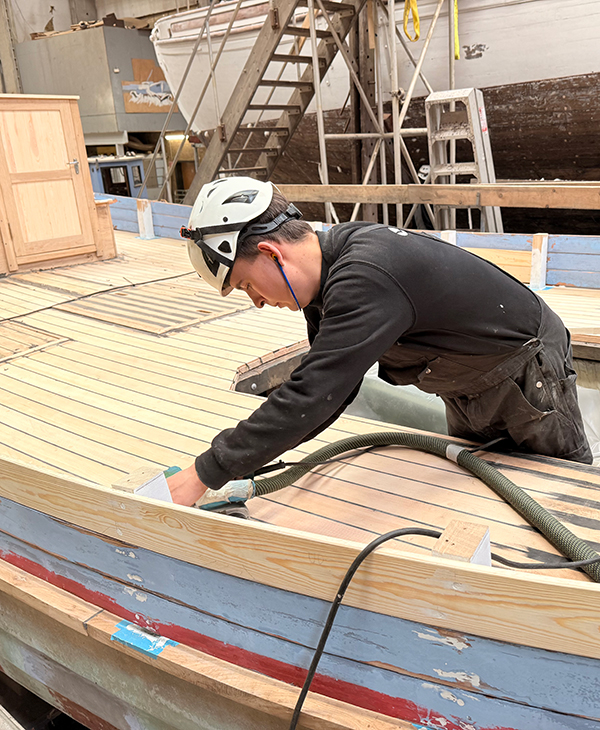
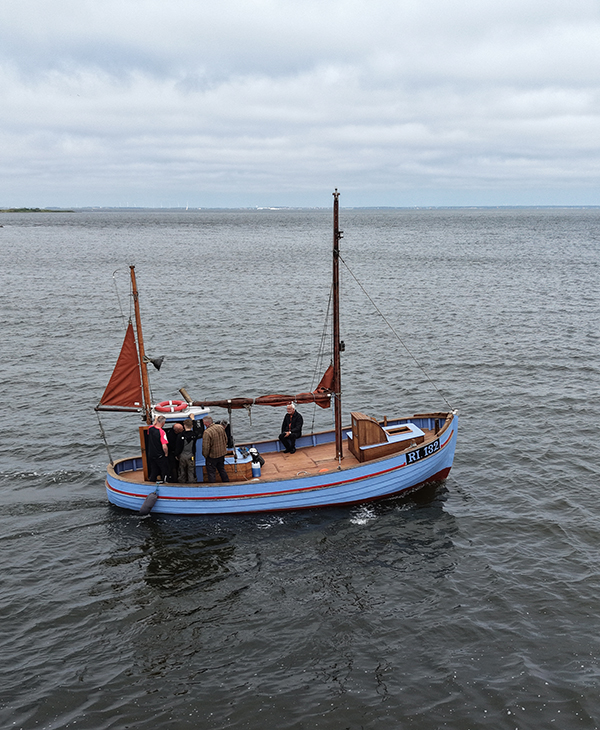
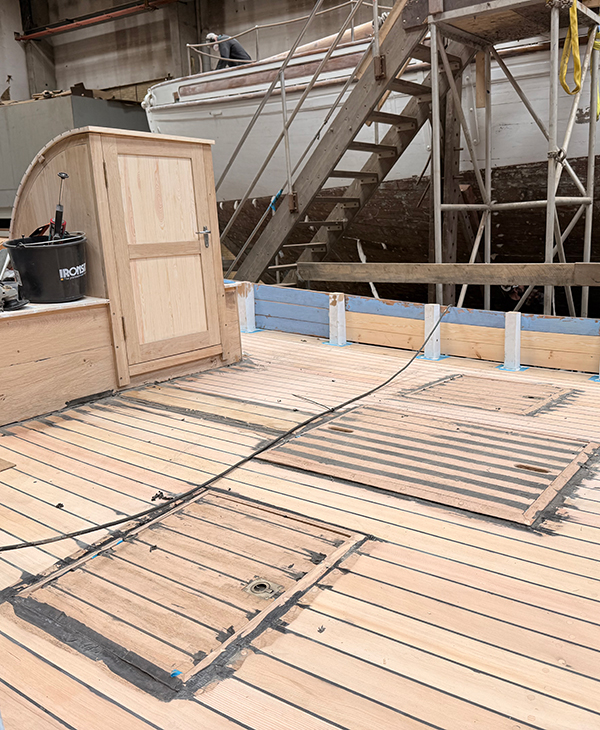
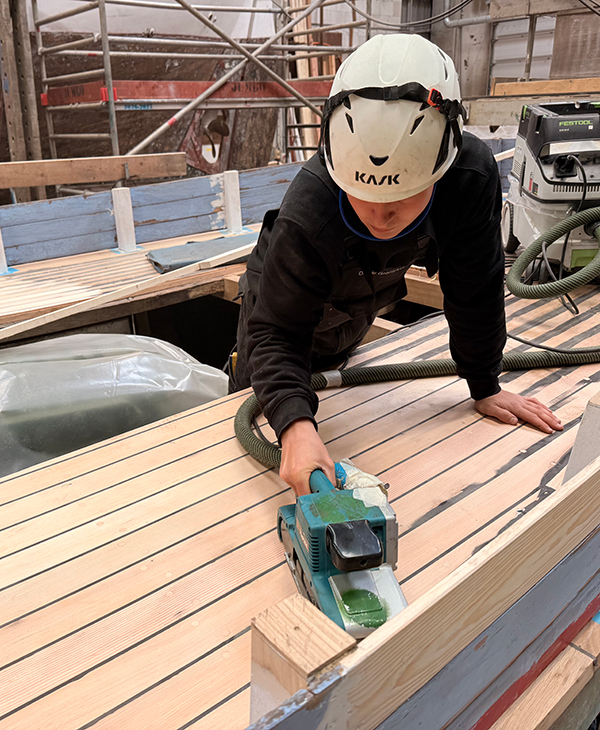
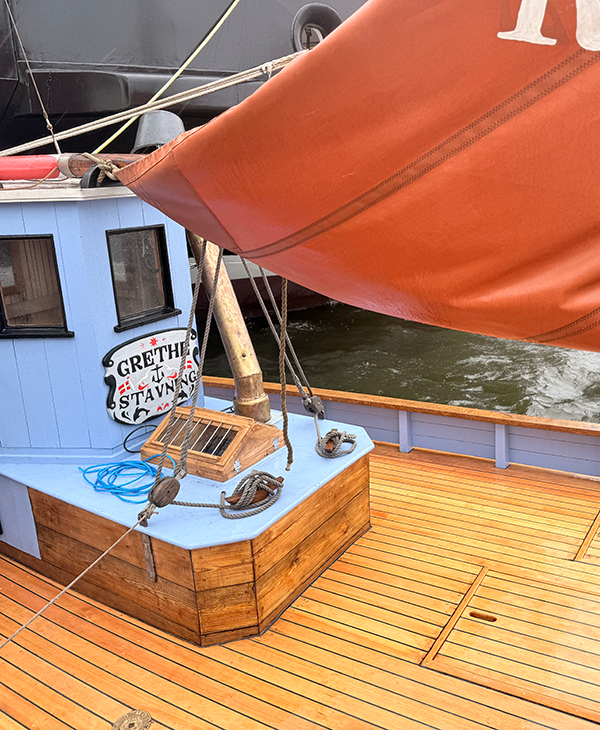
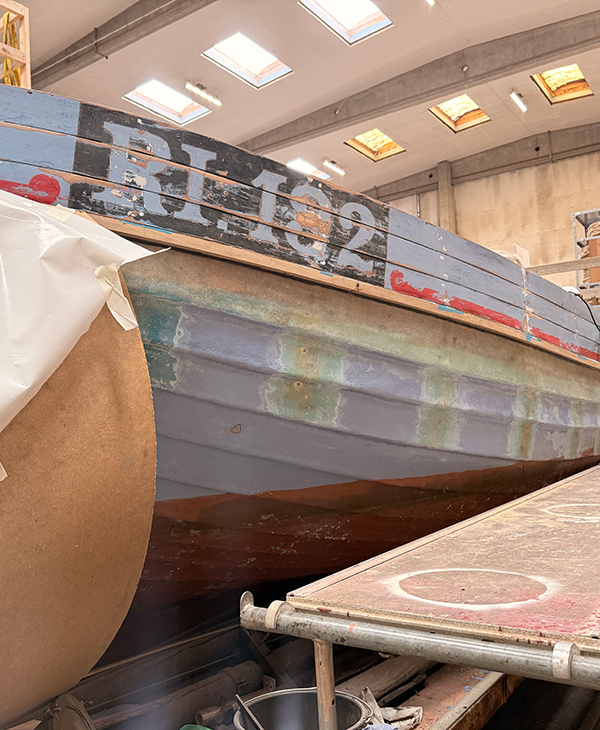
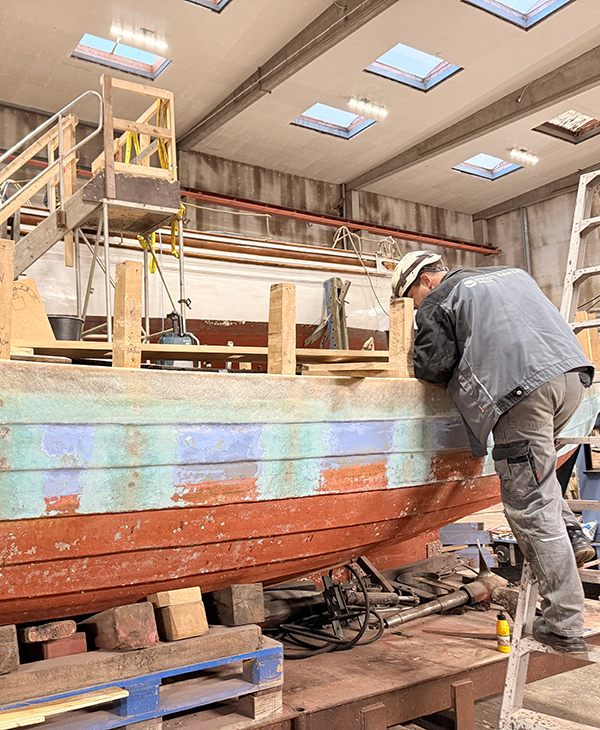
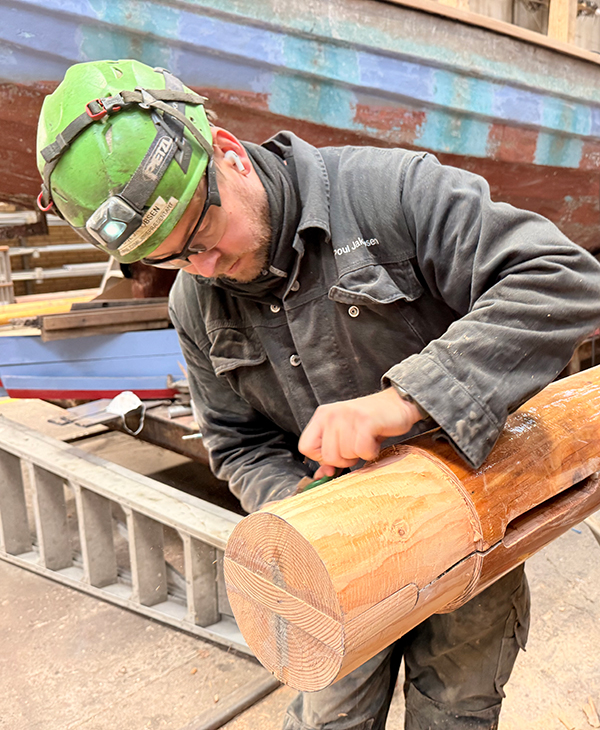
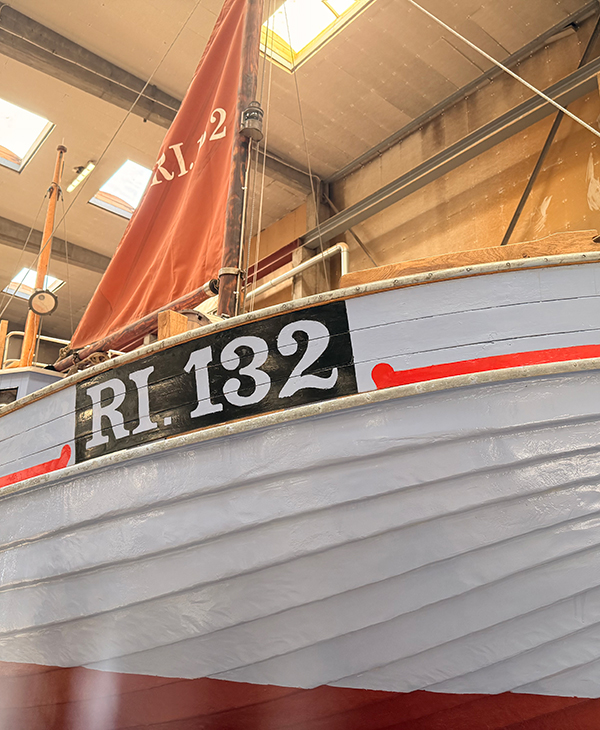
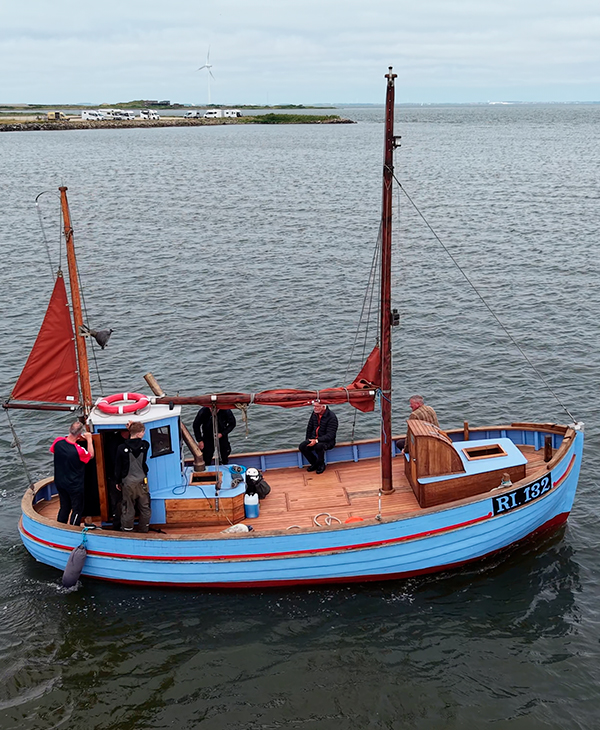
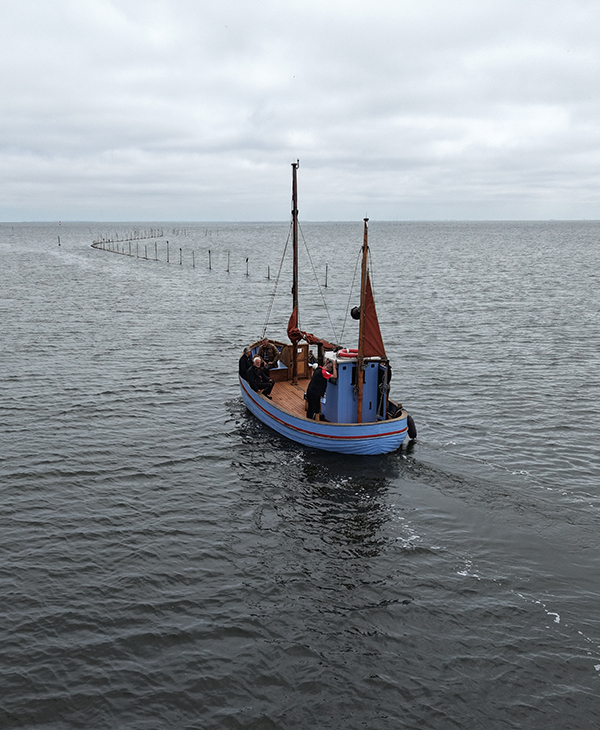
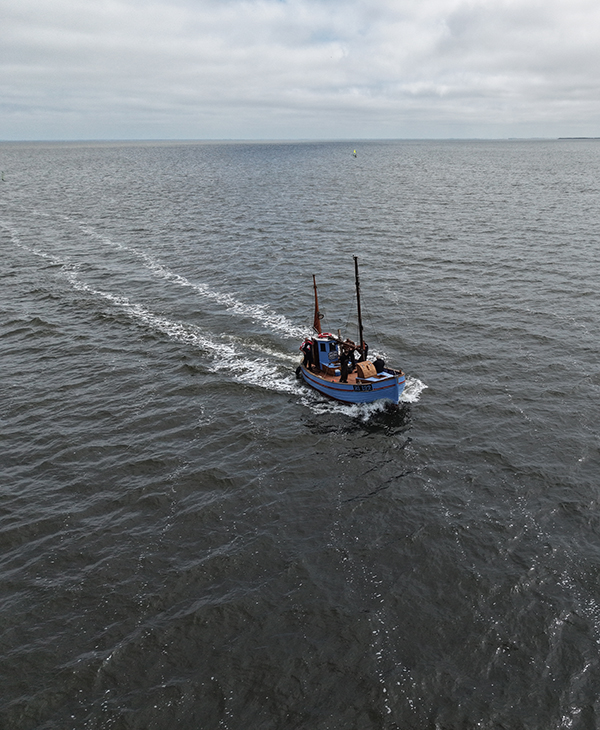
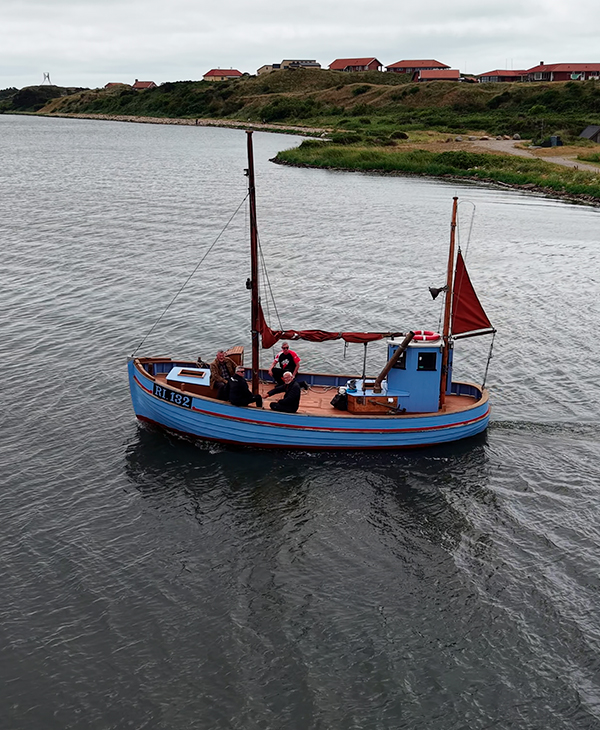
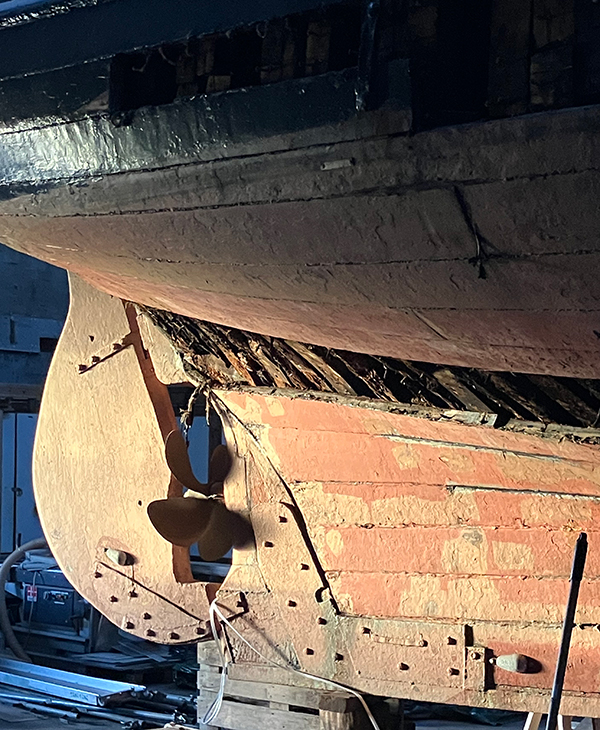
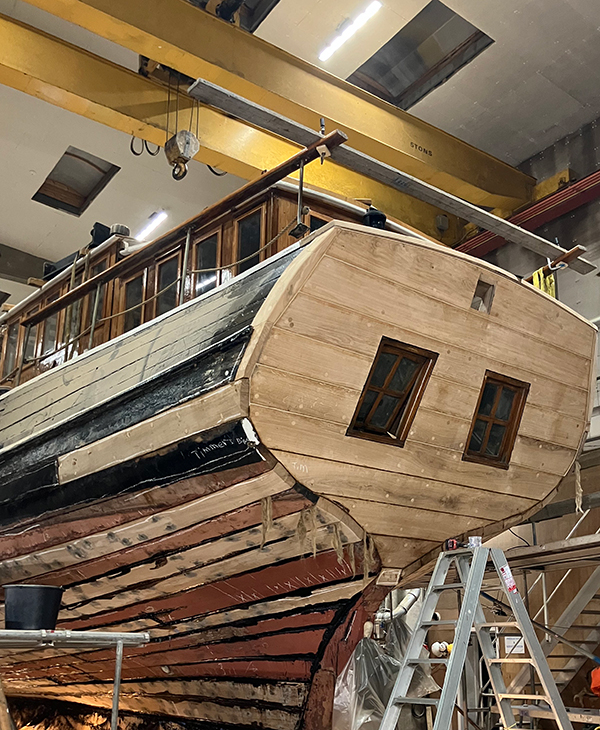
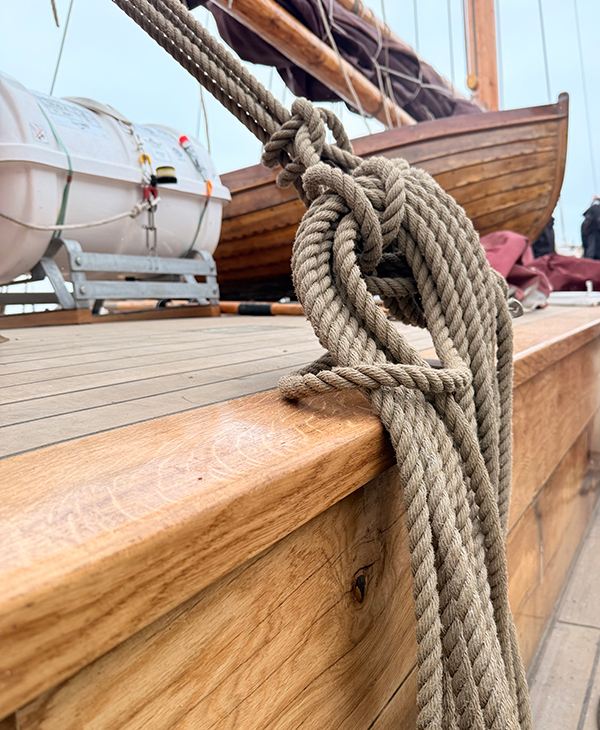
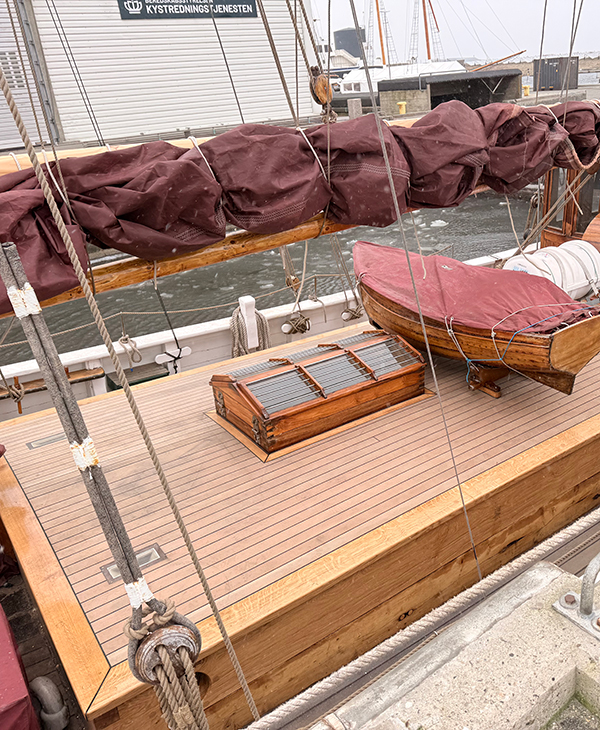
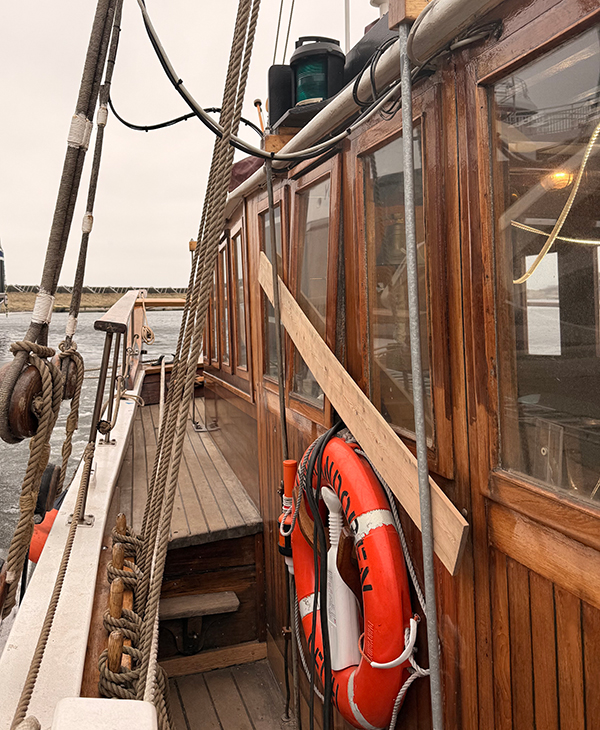
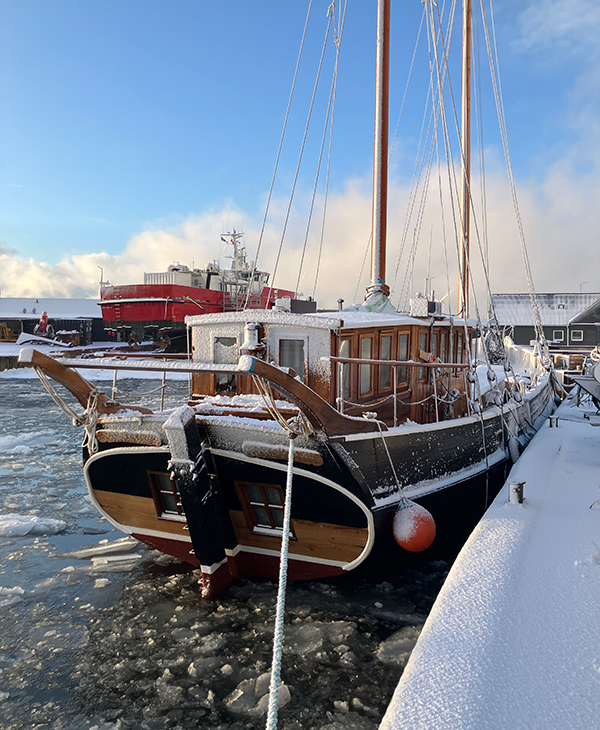
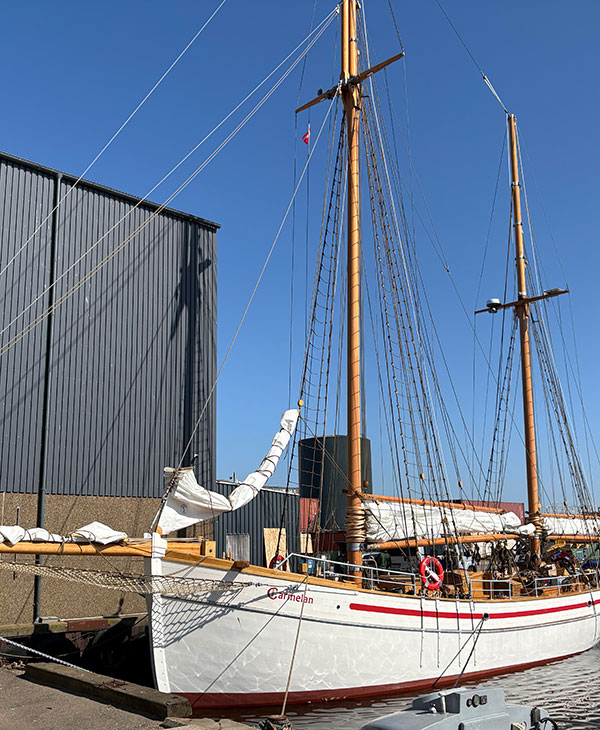
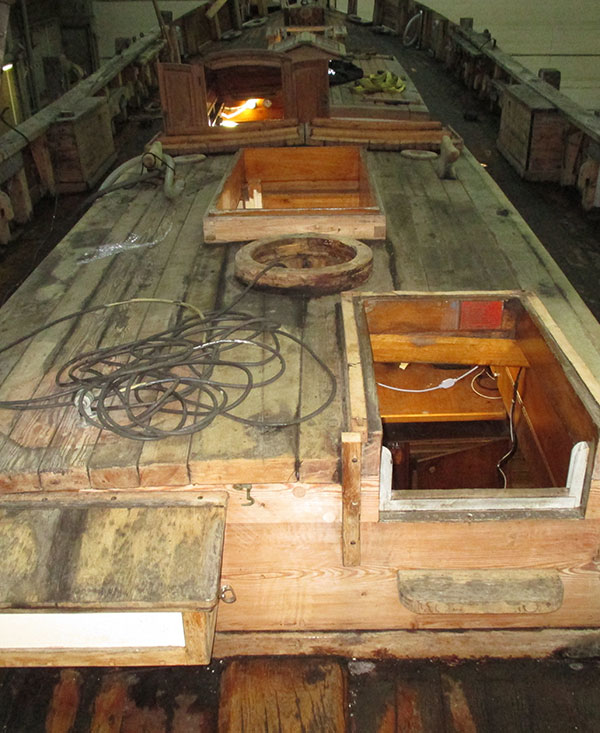
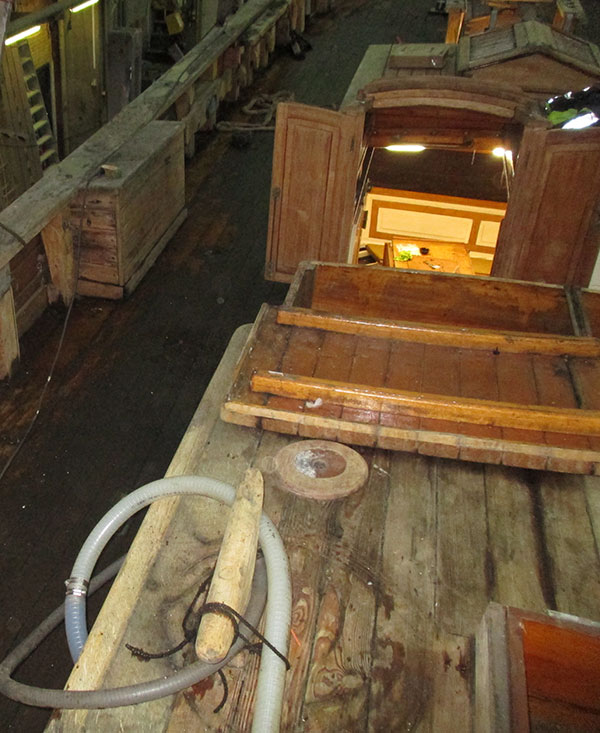
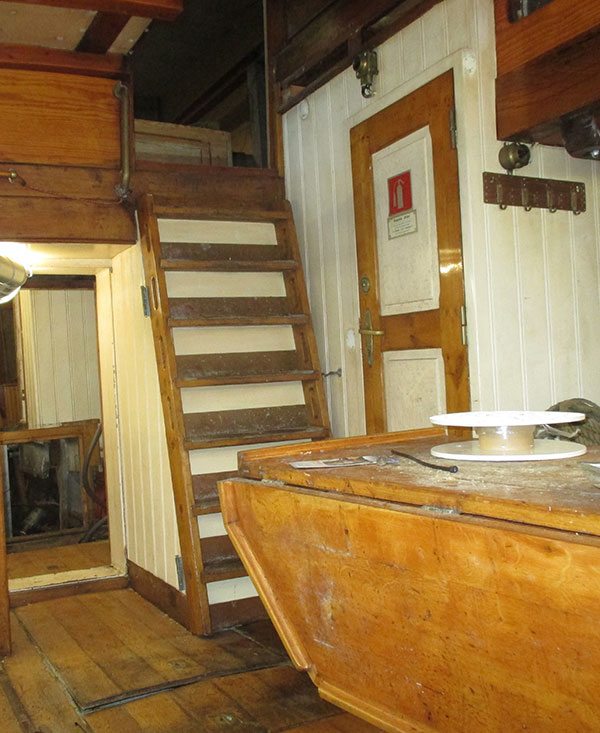
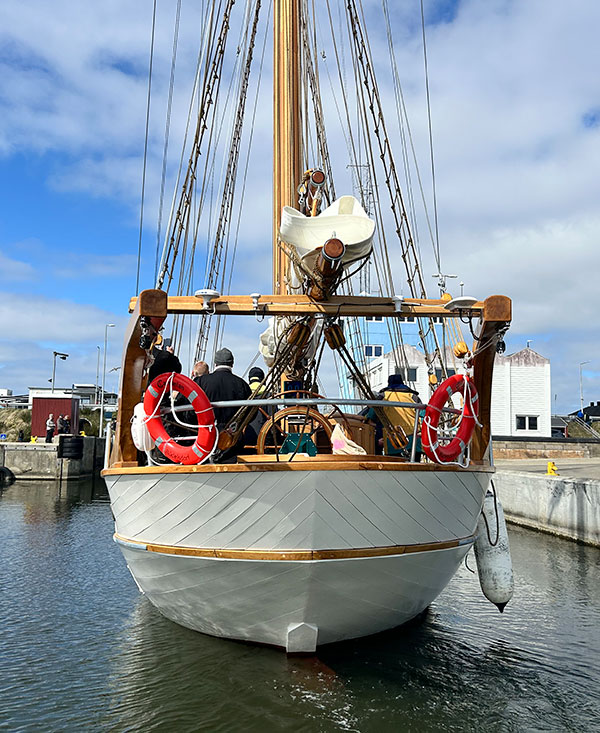
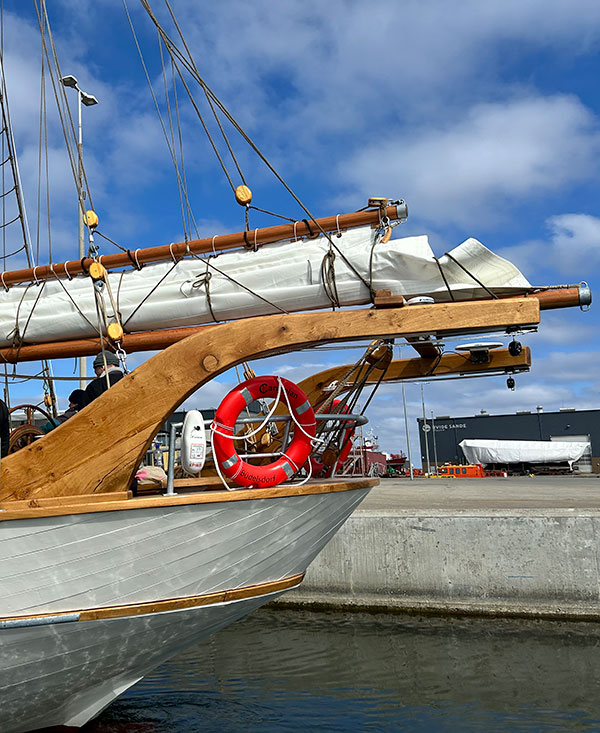
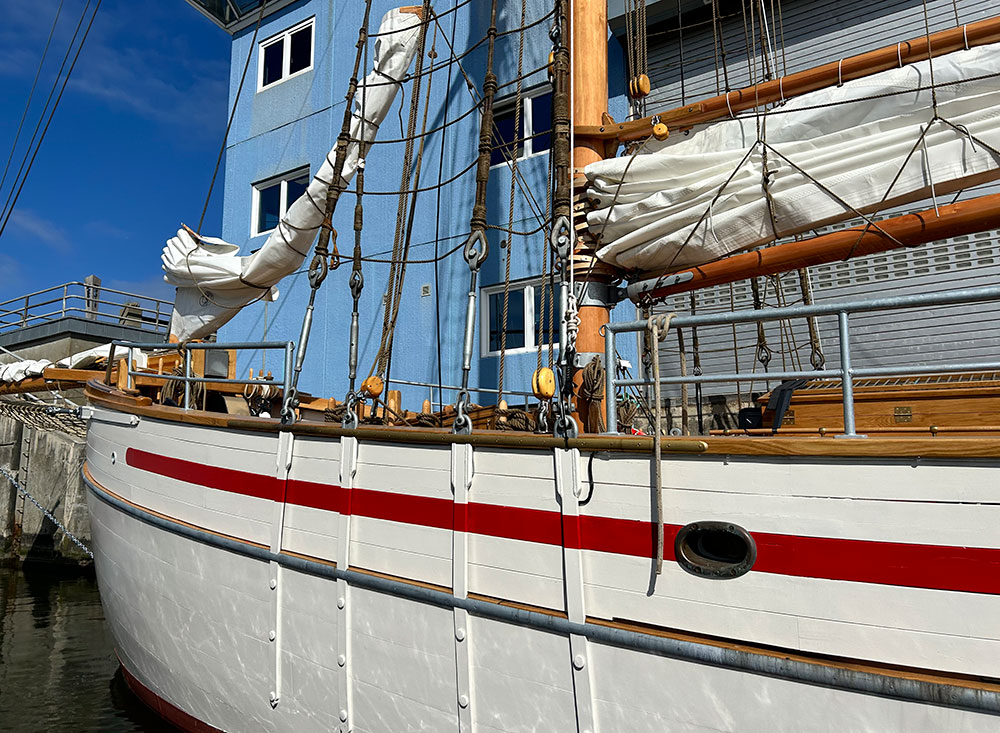
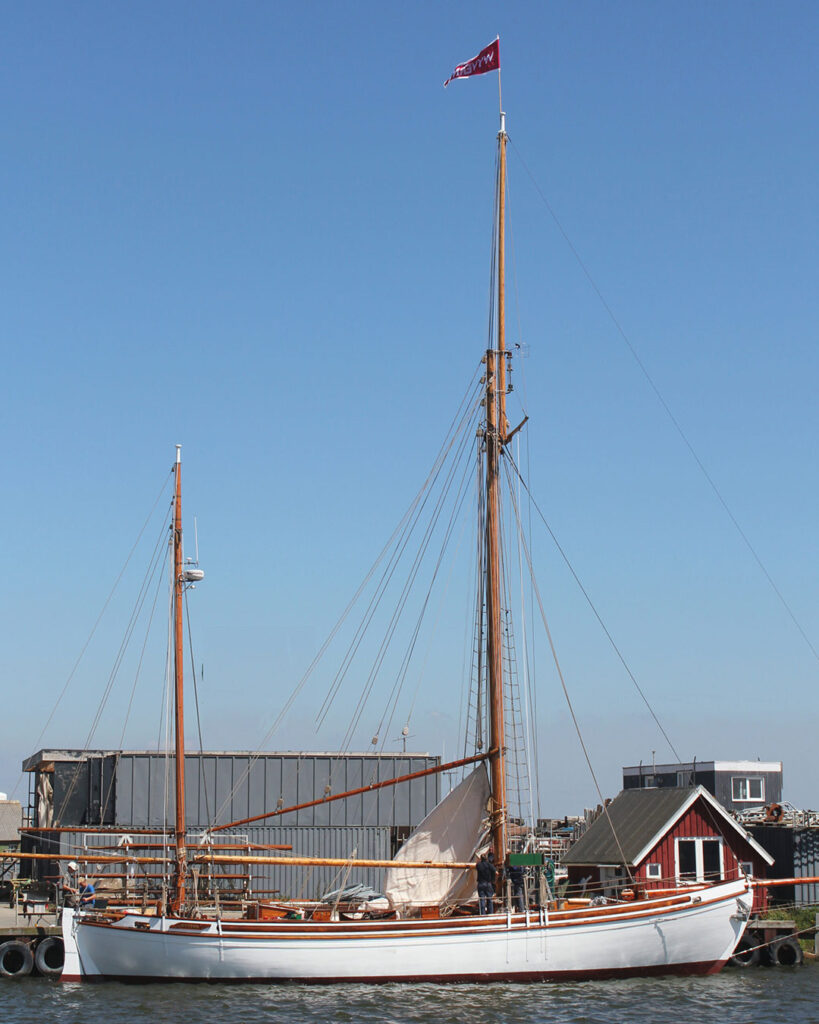
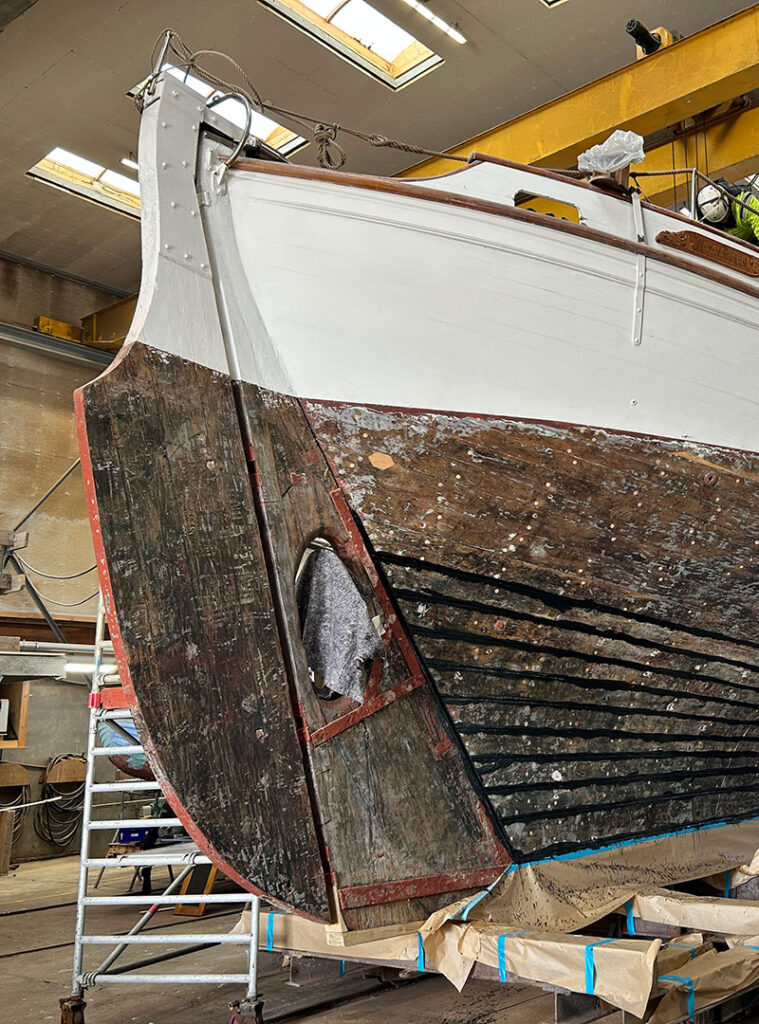
In 2025, following more than a year of meticulous restoration, Hvide Sande Shipyard proudly returned Carmelan to her owner. This project was particularly special, as full-scale wooden ship restorations are a rarity, making it an exciting and rewarding challenge for our skilled shipwrights. The result is a seamless blend of traditional craftsmanship and modern maritime standards – an achievement we take great pride in.

Specifications

Vessel typeWooden sailing vessel
Vessel nameCarmelan
DeliveryFirst quarter 2025
DescriptionMotor sail boat
Hull materialWood
Tonnage34 GT
Length over all18,20 m.
Breadth beam4,90 m.
Depth3,00 m.
Accomodation15 persons
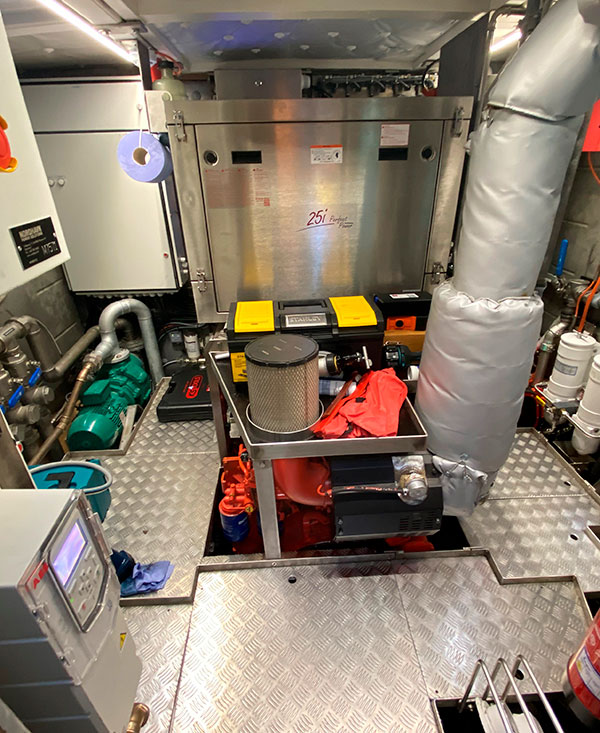
Main engines1 pcs. Scania DI09 070M, 184 kW
ESU (Batteries)20 kWh Vitron L iFePO4 battery bank
Aux. Engine1 pcs Panda 25i PMS 25 kVA
Speed (knots)8-9 knots
PropulsionHundested propeller VP5
ClassificationGerman Maritime Authority
Other equipmentVacuum toilets and vacuum bilge system
Carmelan

Where heritage meets modern demands

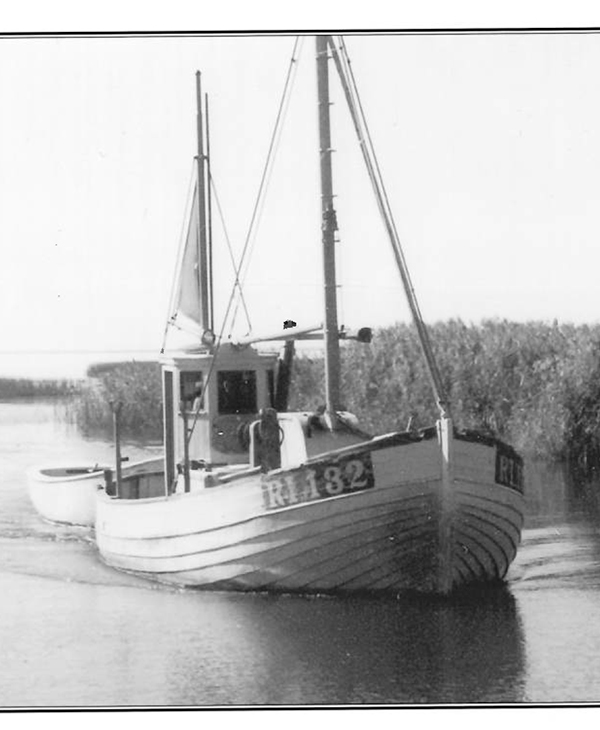
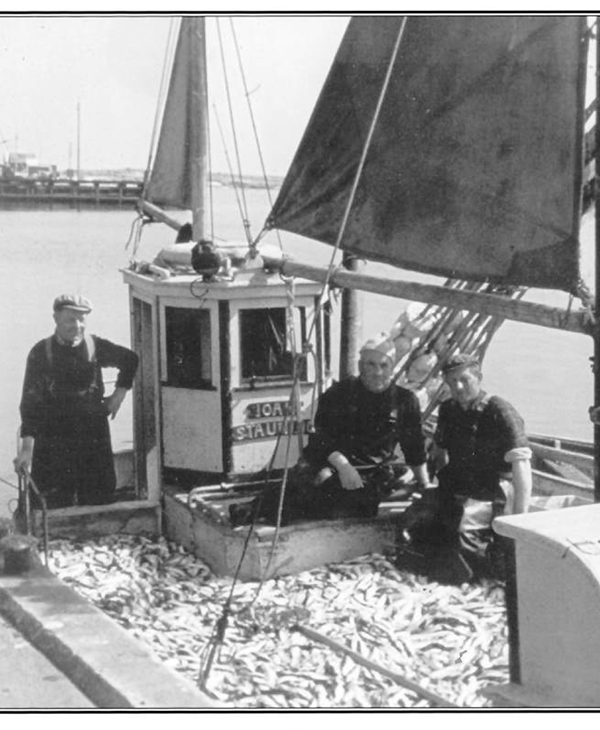
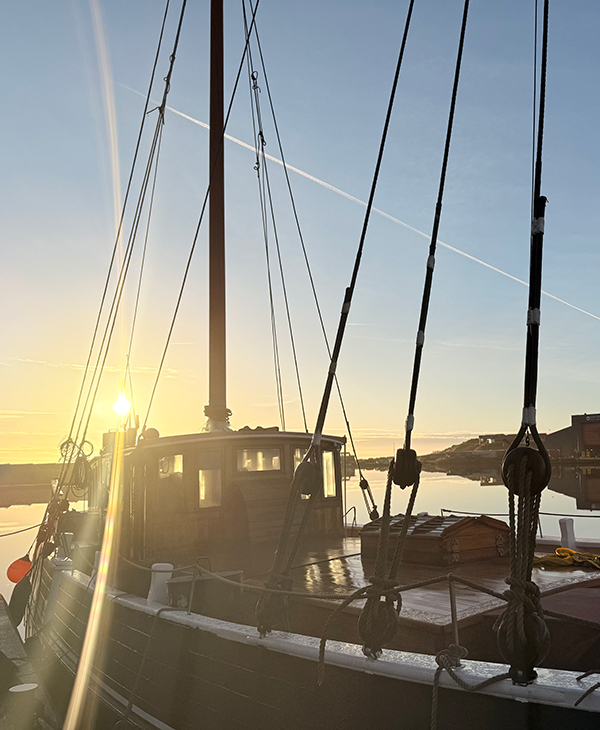
Originally built as a fishing vessel in 1927 at the Hjørne & Jacobsen shipyard in Frederikshavn, Carmelan embodies a rich maritime legacy. Restoring a nearly century-old wooden vessel required a deep understanding of traditional shipbuilding techniques, combined with the expertise to integrate modern safety and operational requirements.

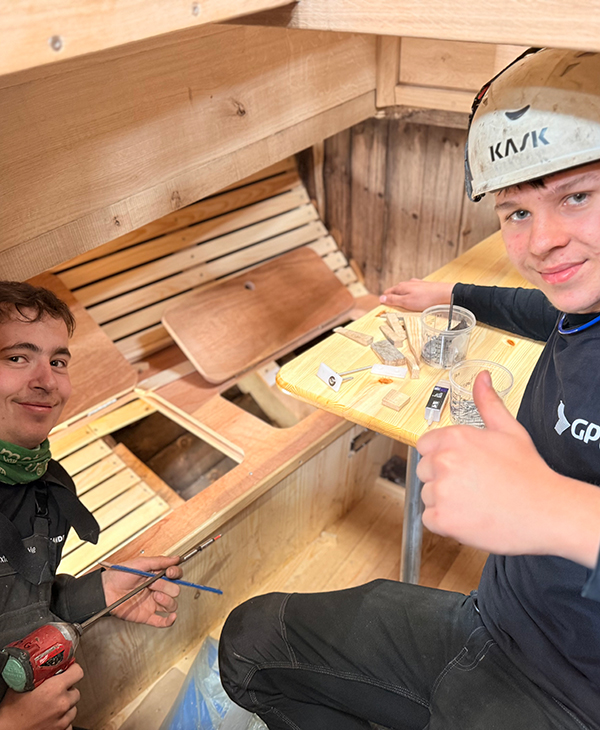
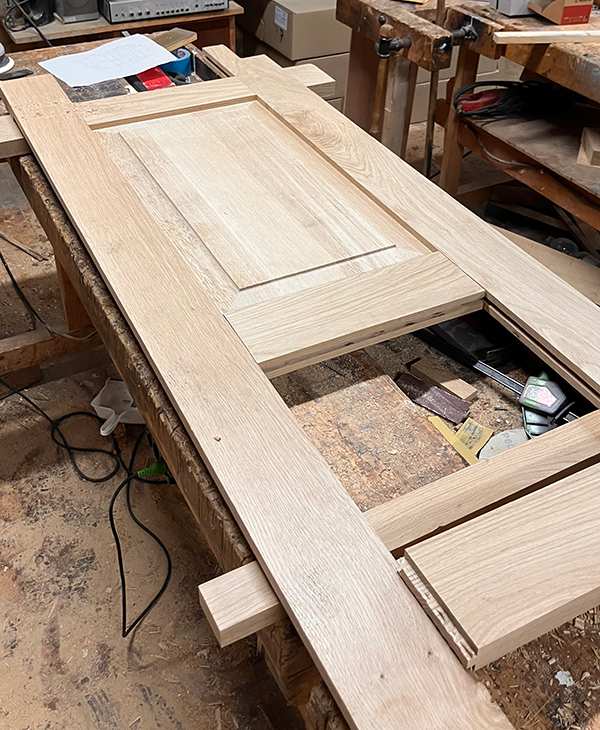
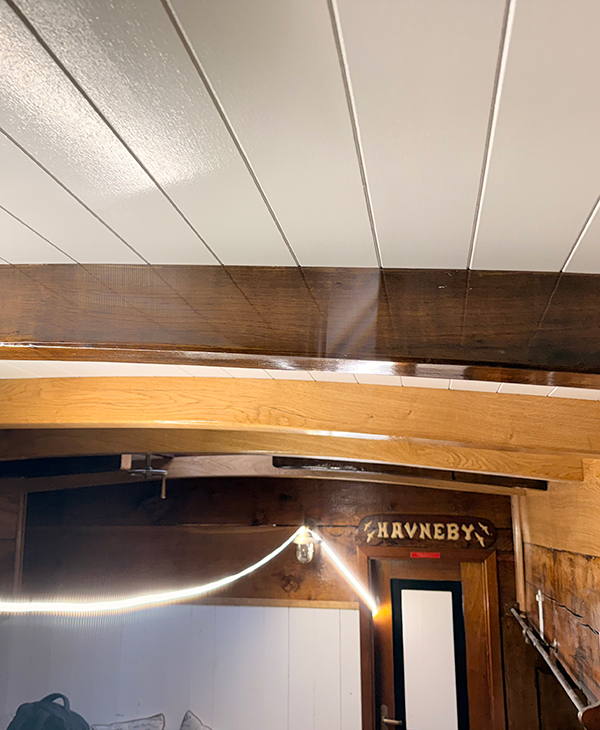
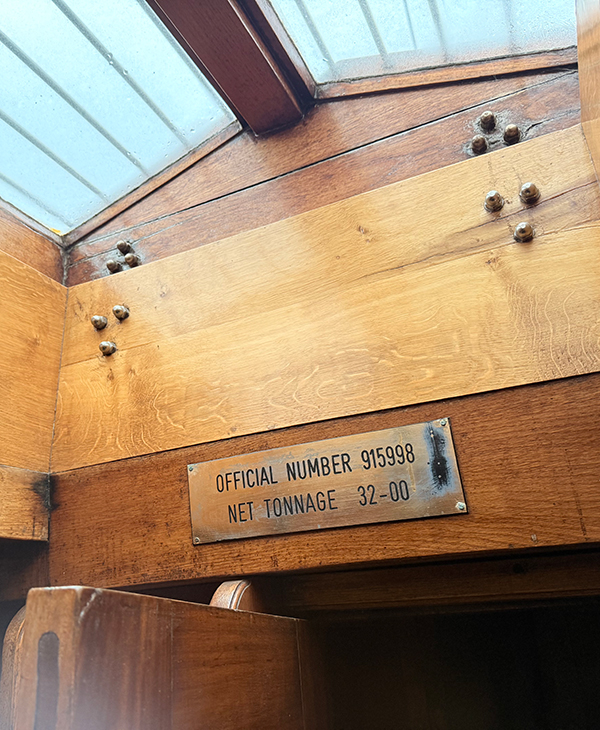
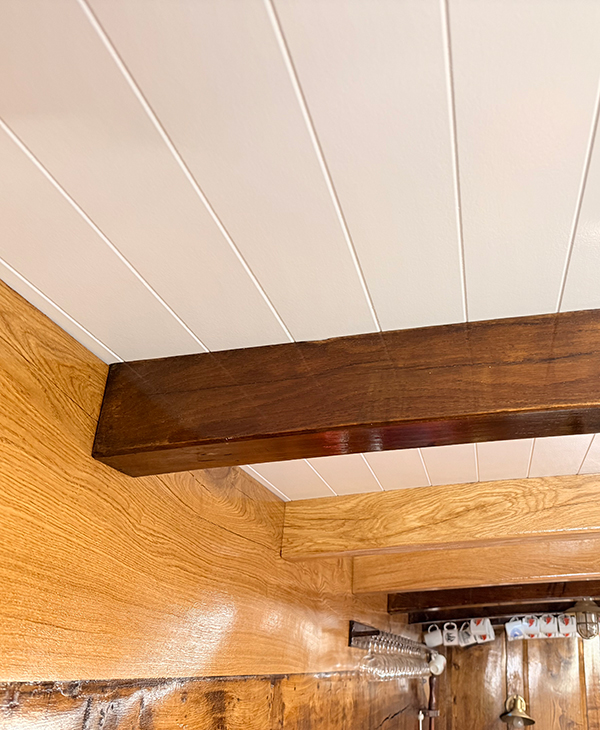
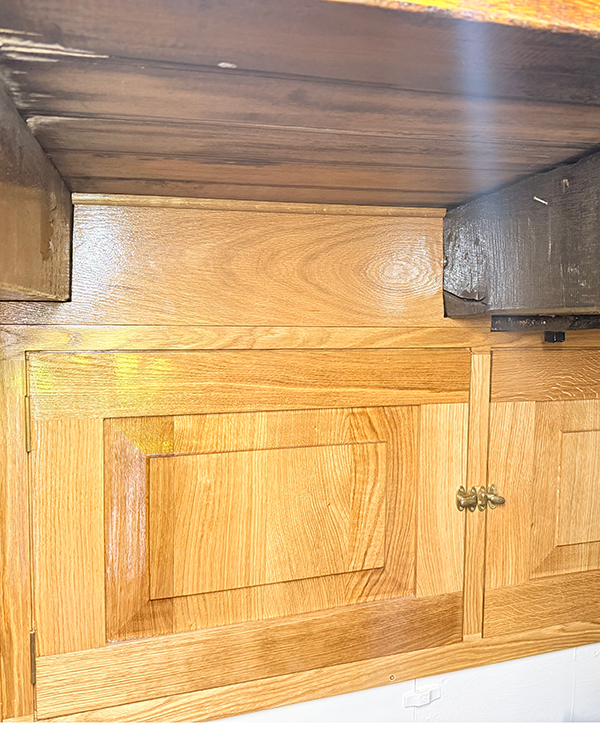
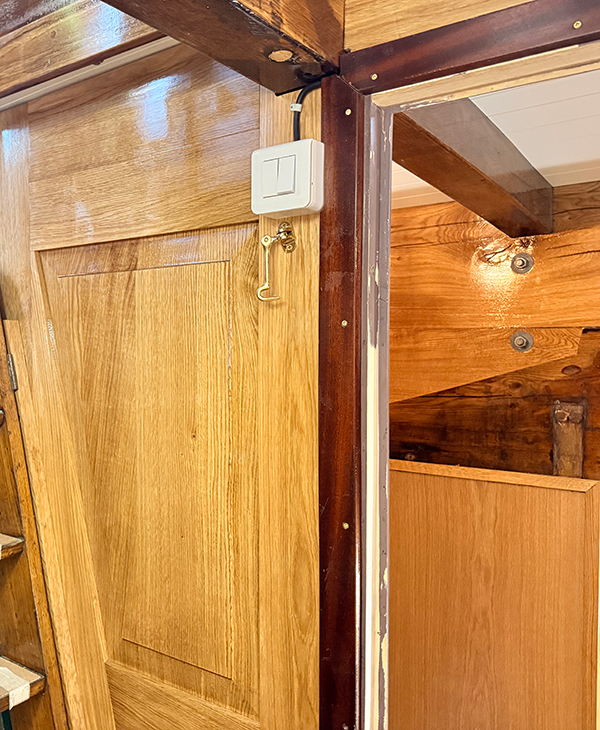
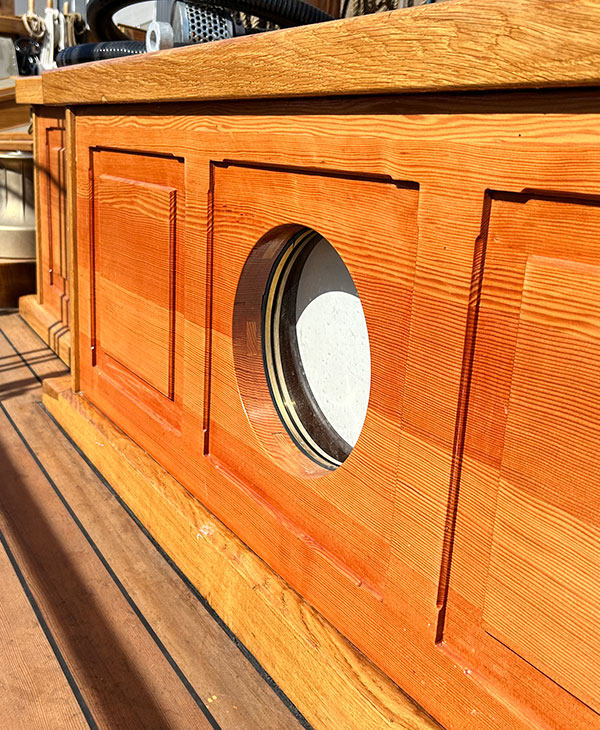
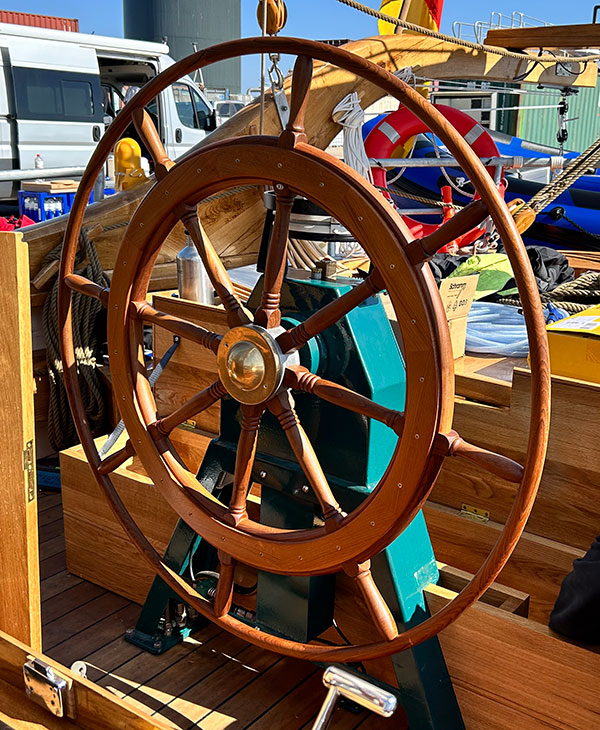
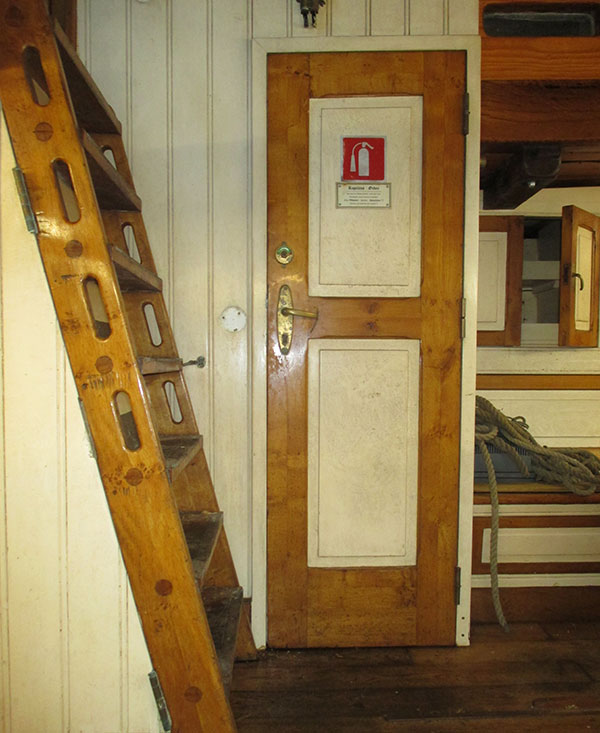
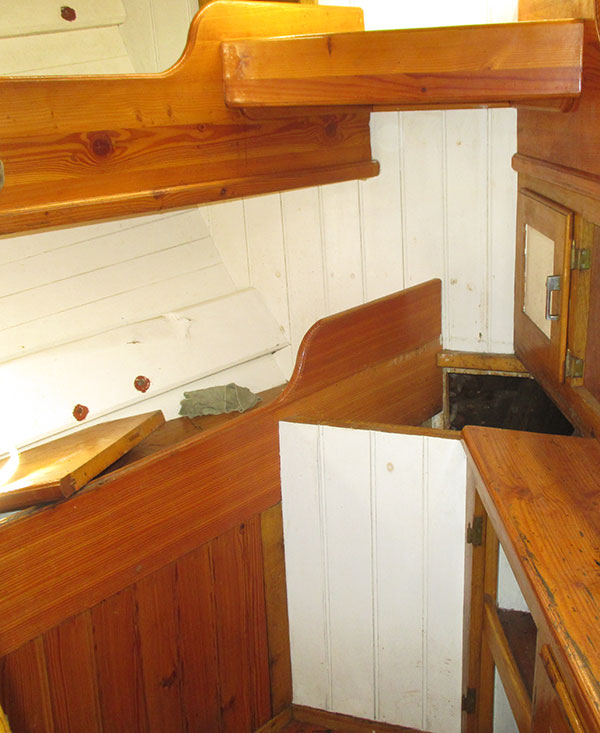
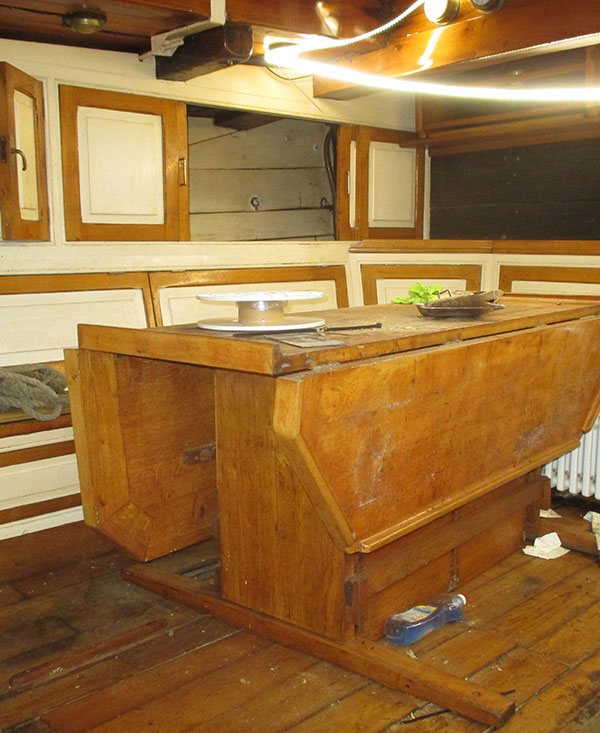
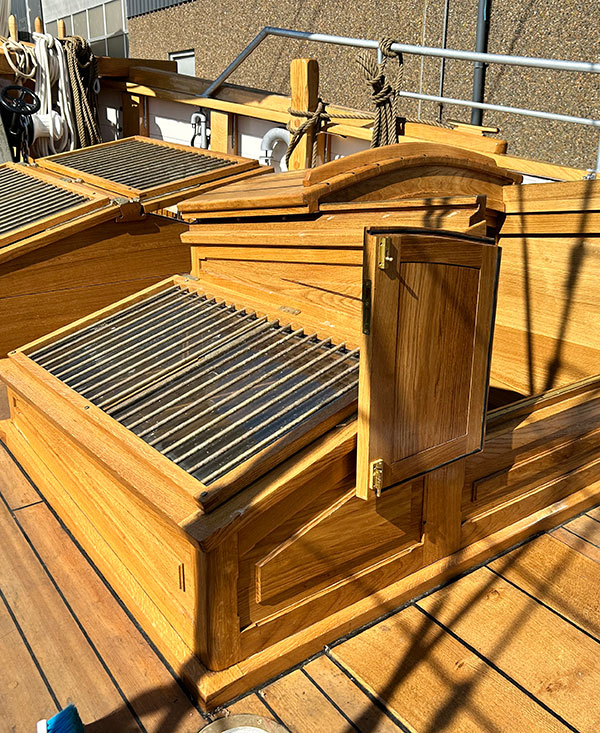
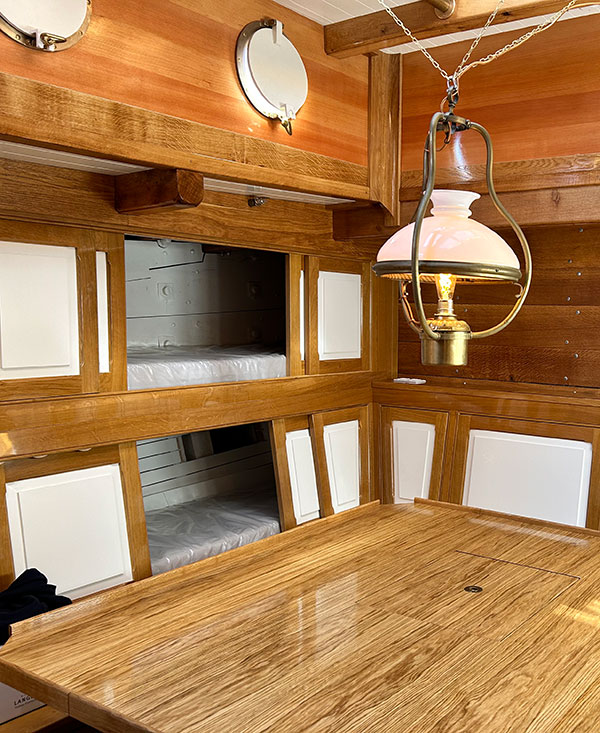
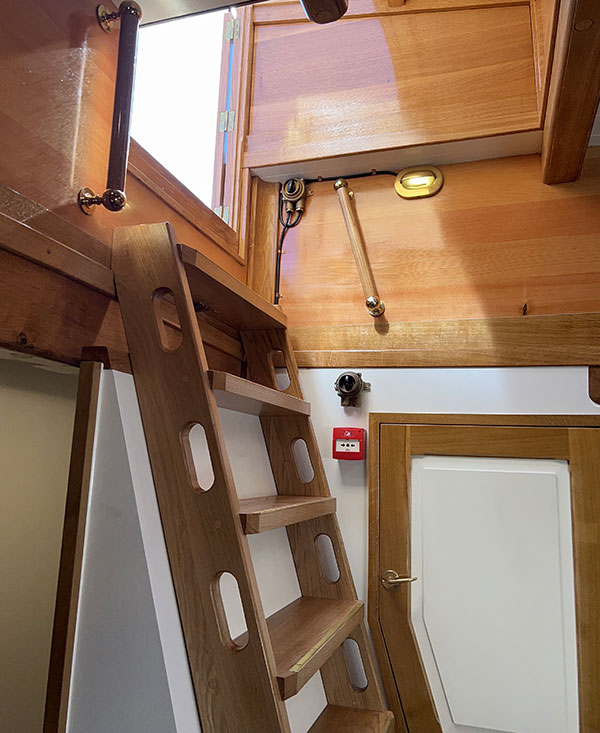
As Carmelan embarks on her next chapter – including occasional transatlantic voyages – her restoration demanded a careful balance between preserving historical integrity and meeting contemporary performance expectations. The result is a vessel that honors its heritage while incorporating modern features, such as beautifully finished interiors and milled ornamental detailing in the hatch chambers.
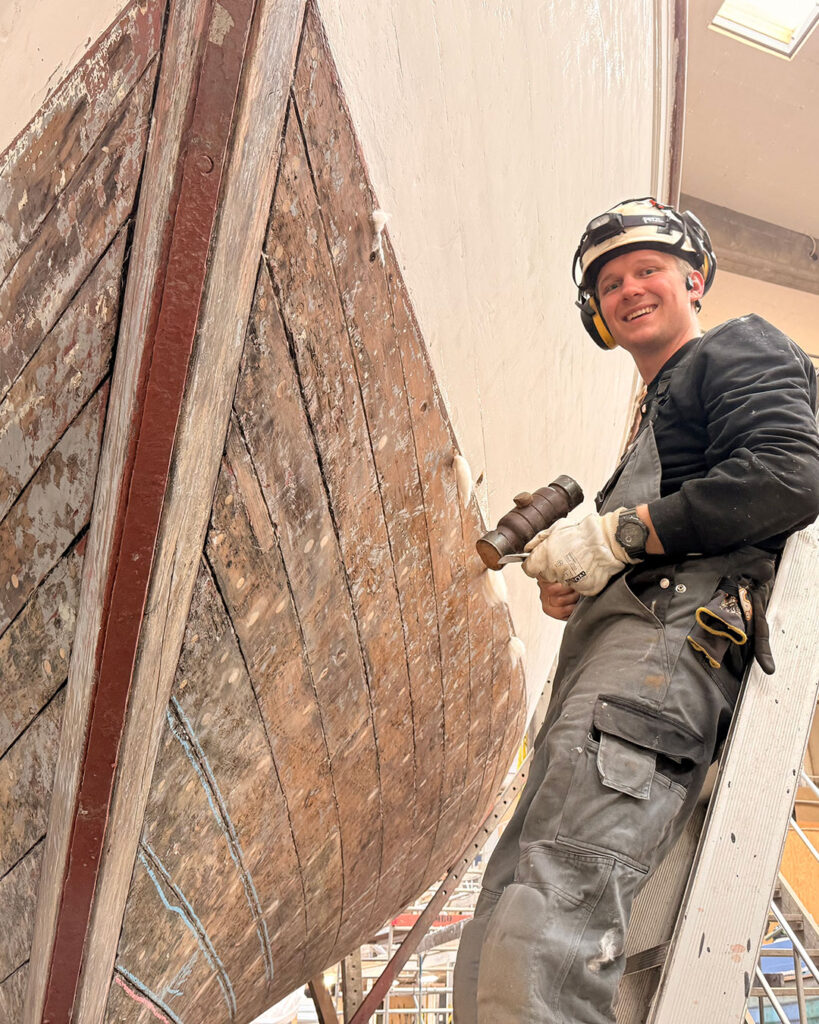
“The knowledge of old traditional shipbuilding and the exceptional craftsmanship of the employees at Hvide Sande Shipyard have enabled the Carmelan to remain the Carmelan of 1927 and that history and the latest technology have found harmony during the restoration.”

Hans-Julius Ahlmann, sponsor of the Carmelan and Managing Partner of the Schleswig-Holstein-based ACO Group

Carmelan
Carmelan04-600x733

Comprehensive restoration

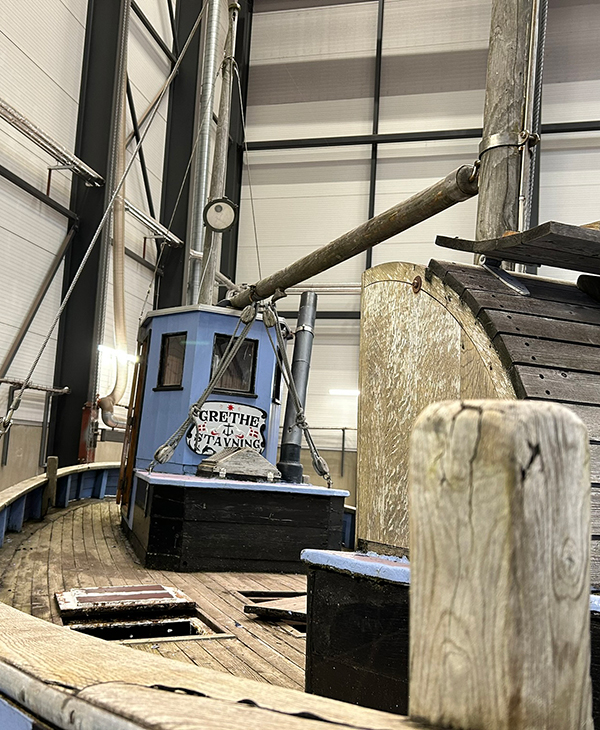
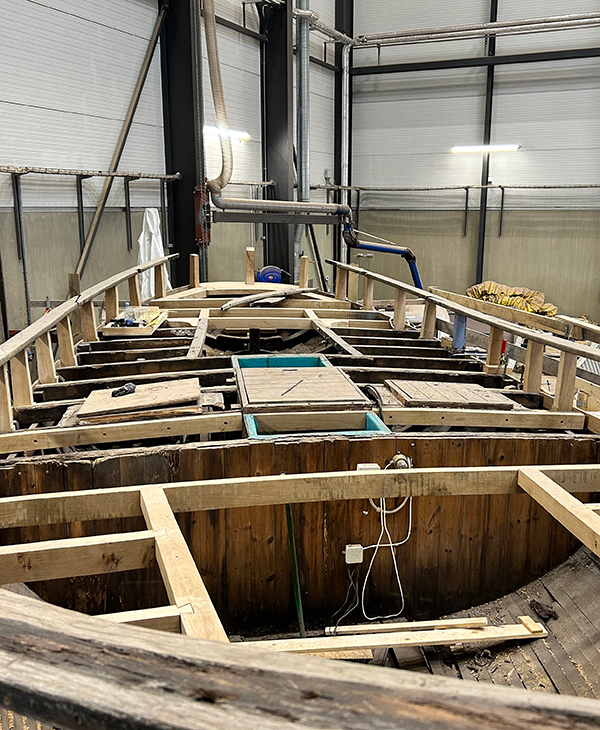
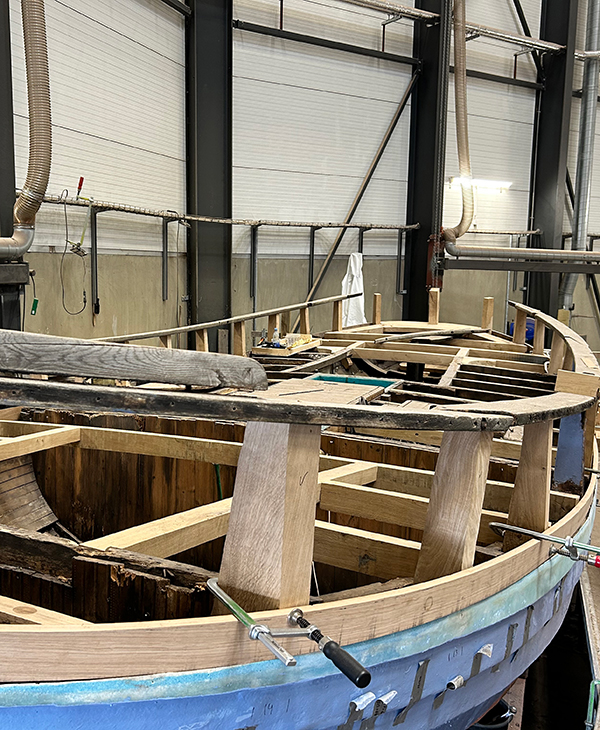
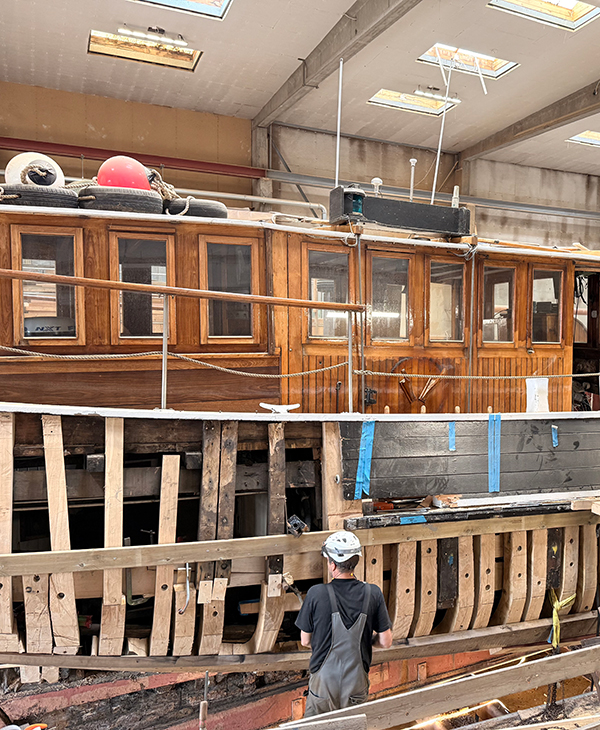
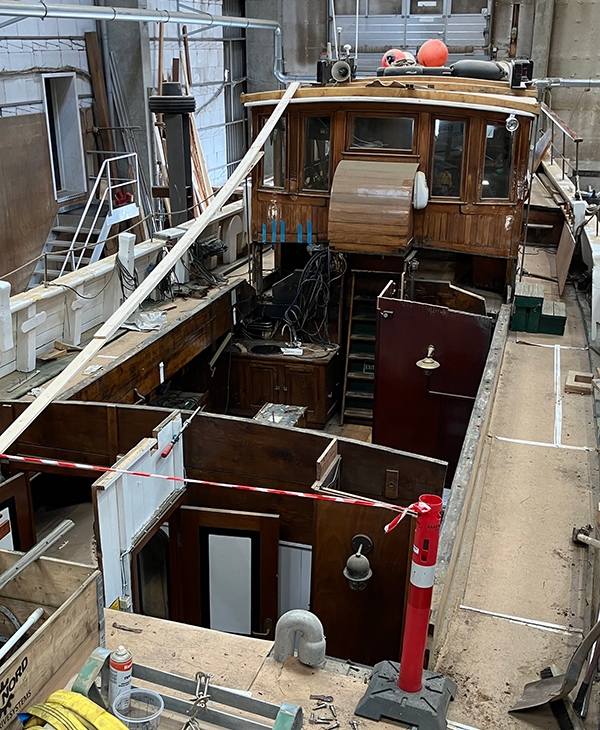
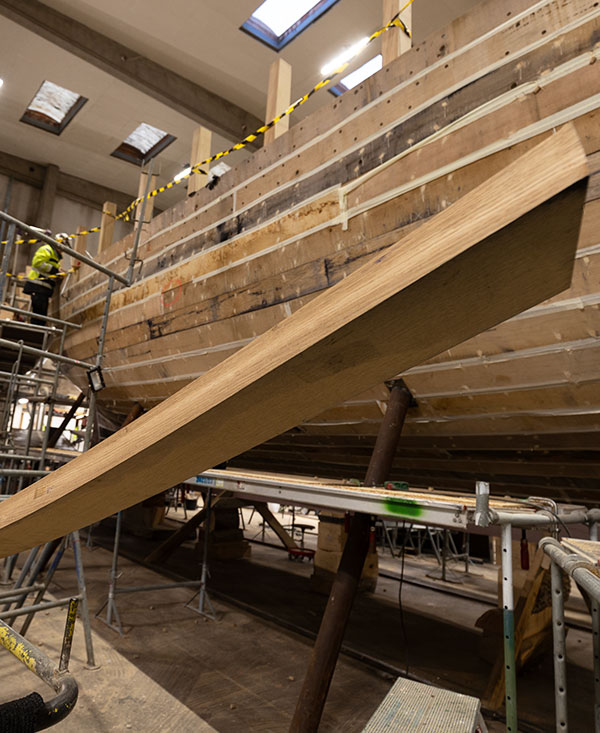
The owners of Carmelan sought to preserve this historic wooden vessel while adapting it for use as a representative vessel to act as an ambassador for traditional seafaring, especially in the Baltic region. However, her initial condition required an extensive restoration, making this project one of the most ambitious wooden ship refits undertaken at Hvide Sande Shipyard.

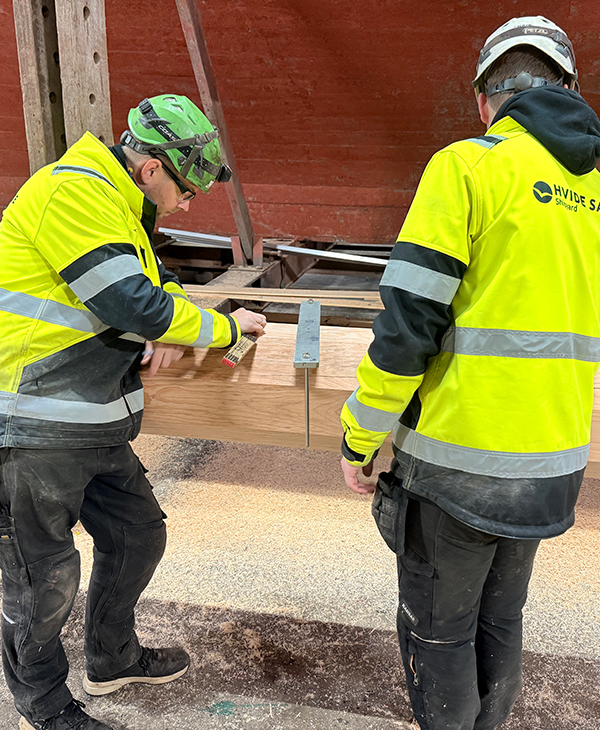
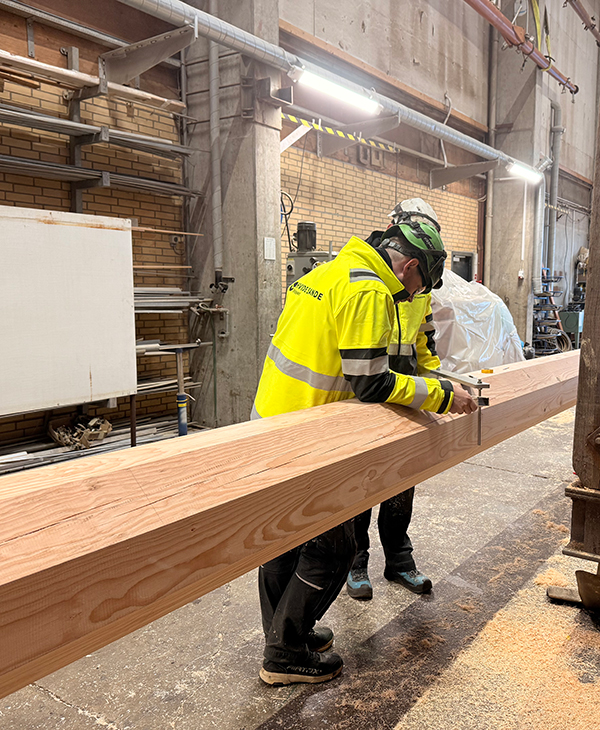
One of the key challenges was sourcing high-quality timber suitable for shipbuilding – a task that involved extensive research and market sourcing. The successful acquisition of the right materials ensured the structural integrity and authenticity of the restoration.

Engine upgrade for Carmelan

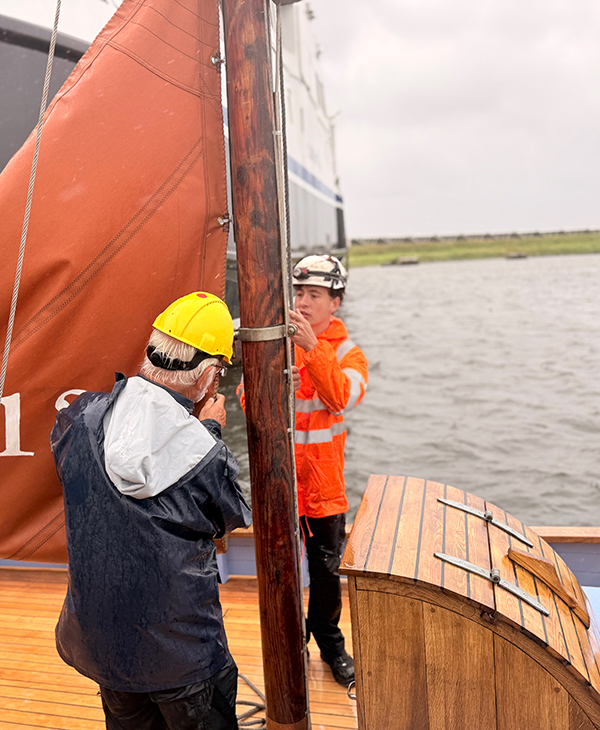
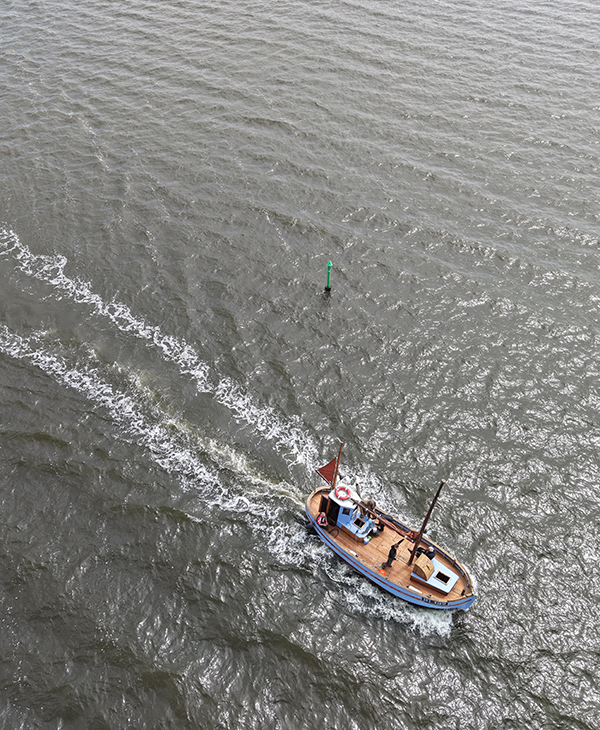
Beyond structural work, Carmelan was outfitted with a new main engine and shaft arrangement, including a gear with PTO, which drives a generator to charge the vessel’s battery bank when powered by wind. The sea trail, complete with new rigging, was executed flawlessly, confirming that all updated systems performed as expected.
Carmelan-april-2025

A vessel with a story

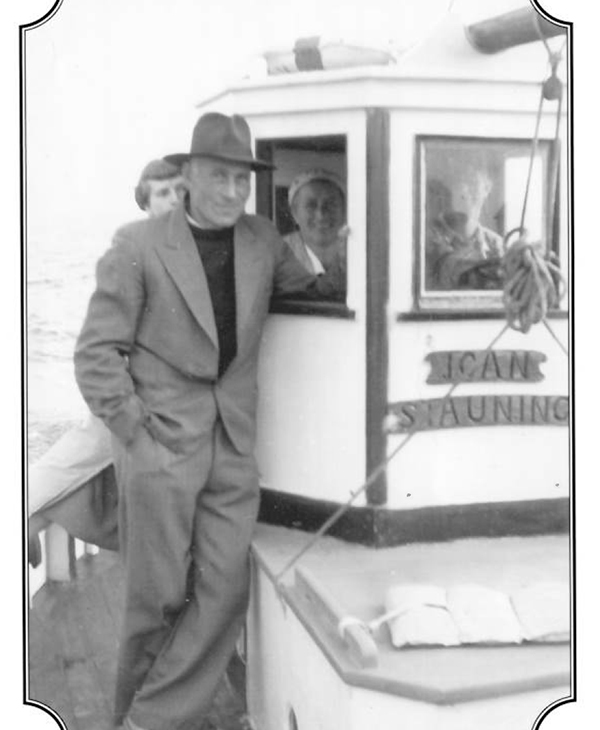
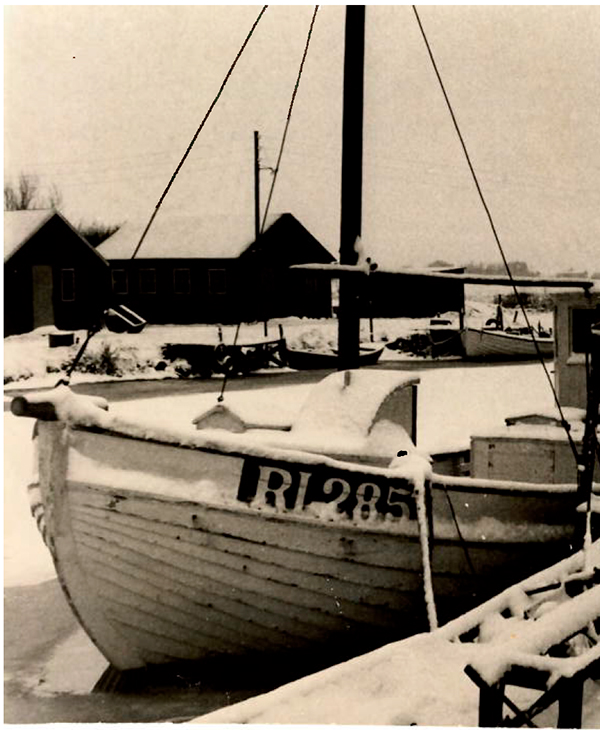
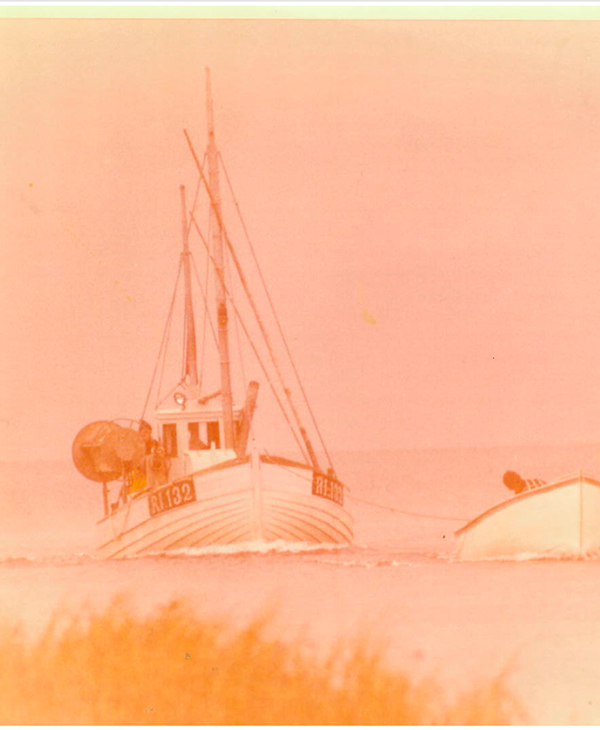
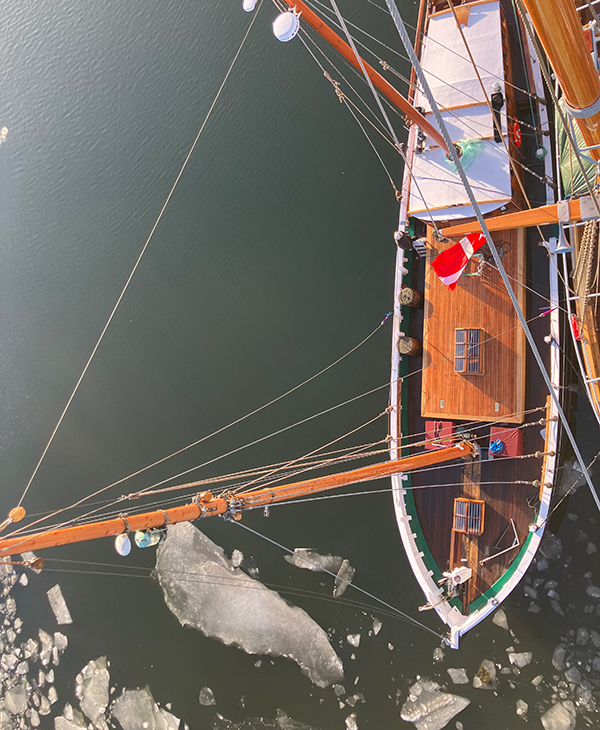
First launched as Kristian, Carmelan was originally built for the Danish fishing industry before being sold to a German owner in 1978. Since 1989, she has served various roles, from youth sailing and chartering to extended voyages. Today, Carmelan is owned by a non-profit organization.

Over its long history, the Carmelan has gathered many supporters who are committed to preserving the ship and promoting traditional shipping in the Baltic Sea, including Hans-Julius and Iver Ahlmann, managing partners of the ACO Group, a leading watertech company based in Schleswig-Holstein.

With this restoration, Carmelan stands as a testament to Hvide Sande Shipyard’s dedication to preserving maritime heritage while ensuring vessels remain seaworthy and fit for modern demands.

Gallery: Before restoration

Gallery: After restoration

Fyrskib XVII

The ship was built in 1895, where it was used as a lighthouse vessel for the first 24 years at Helsingør. After that, it served at Gedser Rev until 1972. Since then, it has been a museum vessel in different harbors.
Since 2018 it has been back in Helsingør, where it started its service.

In 2003, it went through a major restauration at Hvide Sande Shipyard. In the beginning of 2024 it was towed to Hvide Sande Shipyard once again for further restoration.

History of the lightship XVII

Lightship XVII Gedser Rev has a rich history that spans over more than a century. The ship was built in 1895 at the N.F. Hansen shipyard in Odense and was originally stationed at Lappegrund near the entrance to the Øresund. It served as an important navigation point for ships sailing through the treacherous waters around Gedser Rev, south of Falster – Denmark’s southernmost point.

During World War II, the ship was confiscated by the German occupying forces and moved near Kalundborg but returned to its position at Gedser Rev after the war in 1945.

Throughout the Cold War, Gedser Rev played a role in the escape from East Germany. Many East Germans attempted to flee across the Baltic Sea towards Denmark, and at least 50 were rescued by the lightship.

The lightship was decommissioned in 1972 and was later sold to the A.P. Moller and Wife Chastine Mc-Kinney Møller Foundation, which donated it to the National Museum of Denmark. After extensive restoration completed in 2003 at Hvide Sande Shipyard, the ship was transformed into a museum vessel. It has since been open to the public and has functioned as a living museum, telling the story of Denmark’s maritime past.

In recent times, the ship was moved to Helsingør Harbor, where it is now part of the M/S Maritime Museum of Denmark. In 2021, the ship received a grant that enabled further restoration, and in the beginning of 2024 it was towed to Hvide Sande Shipyard for this purpose. This ensures that Lightship XVII Gedser Rev will continue to preserve its historical significance and continue to inspire future generations.

Fulton

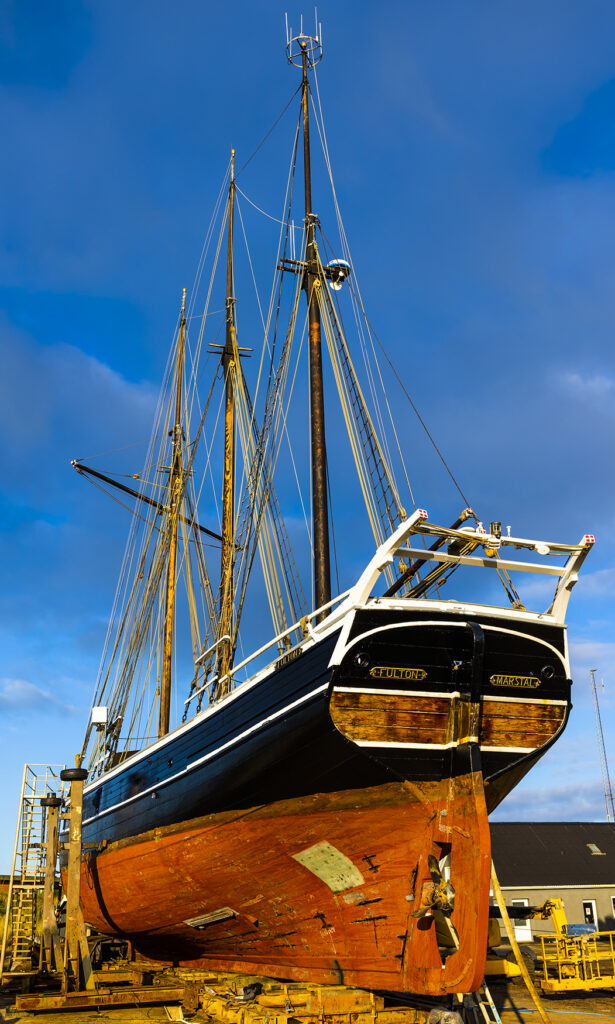
The National Museum of Denmark and Hvide Sande Shipyard have been working together for more than three decades to maintain the historic three masted schooner Fulton af Marstal.

The partnership was initiated in the winter of 1991/92 when the National Museum of Denmark, which owns the 1915 schooner, and the Fulton Foundation were looking for a shipyard capable of restoring and maintaining wooden ships.

Fulton restoration and maintenance

Preserving maritime heritage

Each year, when Fulton af Marstal begins her annual maintenance ritual at Hvide Sande Shipyard, the partnership is a testament to the mutual trust and dedication between the ship’s crew and the shipyard’s craftsmen.

After more than 30 years of cooperation, we are still proud to be a part of preserving the maritime heritage that inspires future endeavors in shipbuilding and restoration.

Restoration and routine maintenance

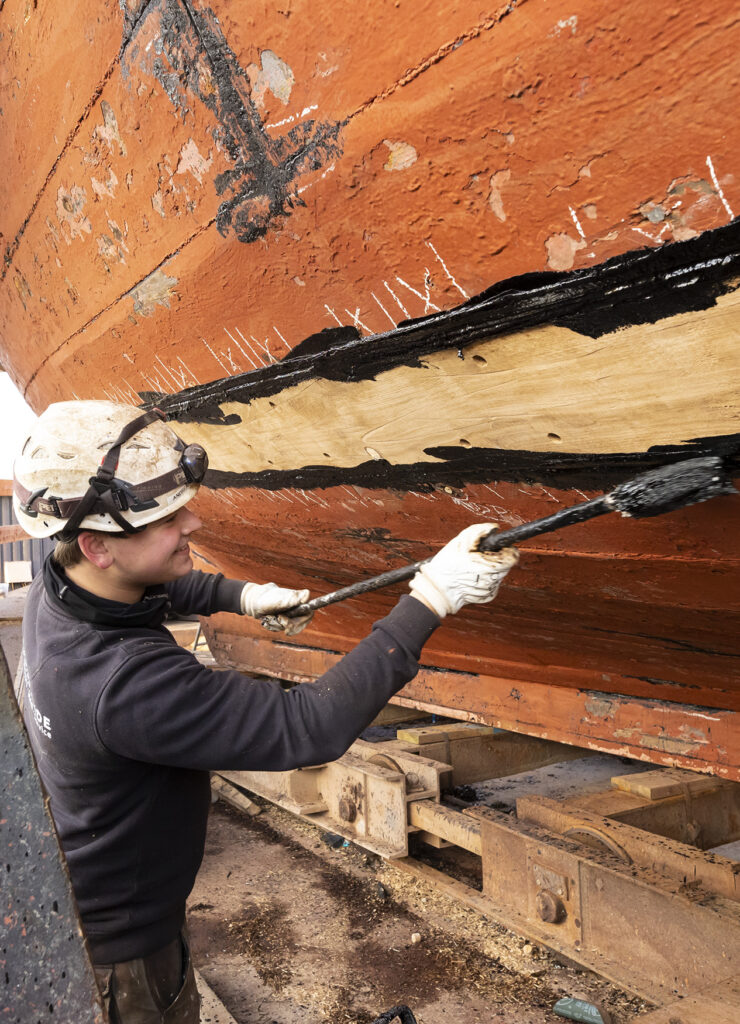
Restoration work, such as straightening the keel, replacing frames and cladding, helps Hvide Sande Shipyard gain detailed knowledge of the ship’s structure, form, special boatbuilding techniques and solutions typical of the period and type.

All maintenance work on the schooner Fulton has been carefully planned and carried out without interrupting the schooner’s service.

Over the years, routine maintenance such as hull repairs, frame replacements, and sheathing installations have not only preserved the vessel, but also enriched our knowledge base of traditional shipbuilding techniques.

This meticulous approach, guided by a shared commitment to preserving the ship’s authenticity while adapting to modern operational requirements, has fostered a fruitful collaboration.

Fulton of Marstal

Seamless coordination

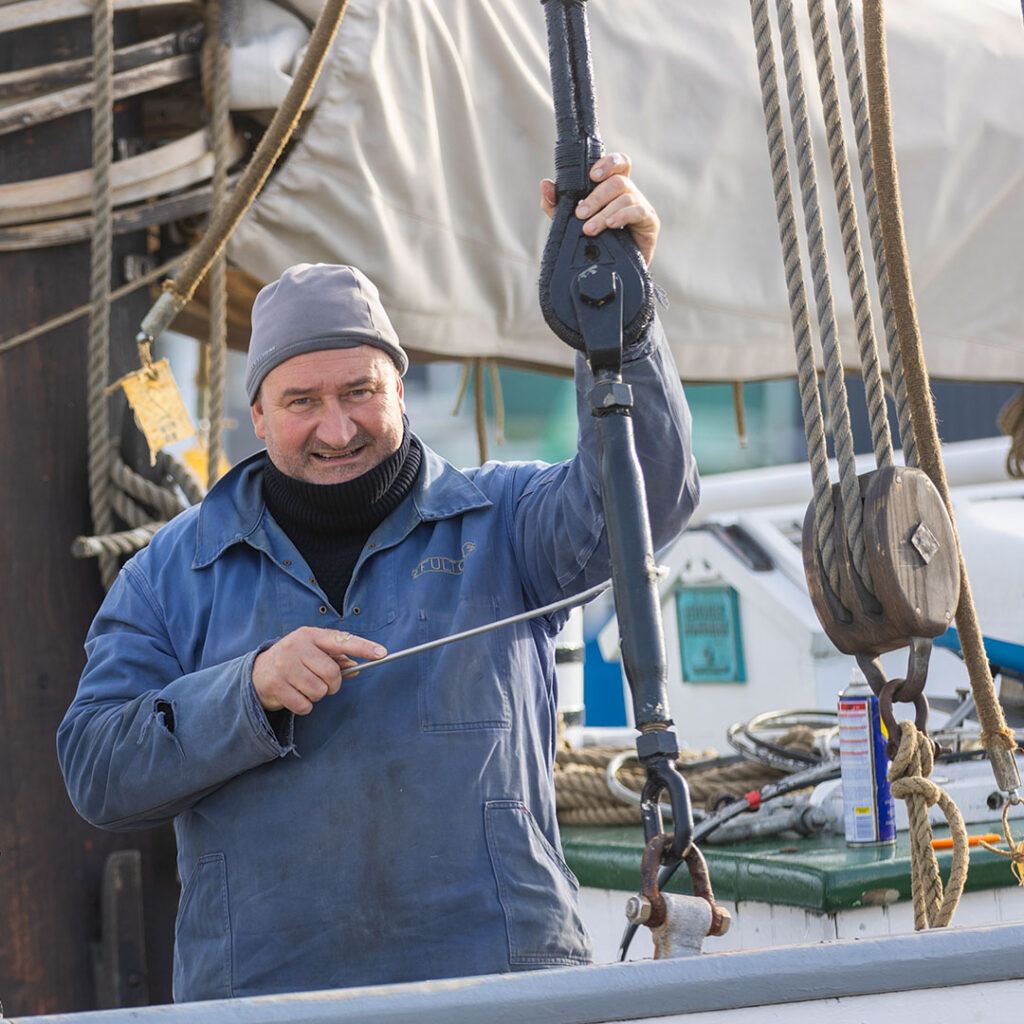
Captain Jakob Jensen, who celebrated his 20th anniversary as skipper in 2022, testifies to the seamless coordination between Fulton’s crew and the shipyard, praising our ability to address maintenance needs promptly to ensure that Fulton’s service was not interrupted.

Shipyard CEO Carl Erik Kristensen echoes these sentiments, fondly recalling the hard but rewarding work carried out during the cold winters.

Fulton history

The schooner Fulton was built in 1915 in Marstal on the island of Ærø and originally sailed around most of Europe carrying salted cod.

Fulton’s historical significance extends beyond her maritime heritage; since the 1970s she has served as a training ship for troubled young people, helping them to find a good direction in life.

Today, Fulton remains true to her heritage, serving as a charter vessel and inviting school groups to experience the charm of traditional sailing.

Learn more about Fulton af Marstal at the official Fulton homepage and at the National Museum of Denmark.

Elbe no. 5

Elbe No. 5, a historic German schooner, stands as a proud example of maritime heritage. Built in 1883 in Hamburg, this vessel originally served as a pilot boat, guiding ships safely to port. Over the years, Elbe No. 5 has passed through various hands, each adding to its storied legacy. Today, it is not only a symbol of Hamburg’s rich nautical past but also an example of meticulous restoration and preservation.

Elbe no. 5

Restoration at Hvide Sande Shipyard

In the winter of 2018/2019, Elbe No. 5 underwent a significant restoration at Hvide Sande Shipyard. This extensive project was commissioned by a new circle of owners, Stiftung Hamburg Maritim, in Hamburg, determined to return the schooner to its former glory.

Our craftsmen replaced over 100 frames, each carefully designed and crafted according to individual templates. Additionally, more than 1250 meters of cladding were renewed, and a completely new keel was installed.

All these efforts were made using specially purchased and stored oak, ensuring the authenticity and durability of the work

Damage Repair

Following a collision in the summer of 2019, Elbe No. 5 returned to Hvide Sande Shipyard for damage repair in the subsequent winter.

The collision had left the schooner with significant damage, necessitating another round of meticulous repair work to ensure that the wooden hull was professionally restored, preserving the historic vessel.

Elbe no. 5
Elbe no. 5

History of Elbe No. 5

The history of Elbe No. 5 is as rich as the waters it once navigated. Constructed by H.C. Stülcken & Sohn, the schooner was launched as a pilot schooner, a role it fulfilled until 1924.

After retiring from pilot service, it was purchased by author Warwick Tompkins in 1928, who transformed it into a cruising yacht and sail training vessel, christening it the “Wander Bird”.

The vessel made numerous transatlantic crossings and even sailed around Cape Horn to San Francisco Bay.

Eventually, it became a houseboat in Sausalito, California, before being restored and returning to its home port of Hamburg.

Need help?

Do you want to know more about our expertise in the restoration and maintenance of historic vessels? Feel free to send us your questions and we’ll get back to you as soon as we can.

Alta

M314 Alta is one of Norway’s largest wooden ships and was built in the USA in 1953. Alta, in recent years operated as both a museum ship and used in minor expeditions from Oslo, has now been returned to the Royal Norwegian Navy. Today, Alta is located in Oslo and, in the future, the Navy will only operate the wooden ship, which is worthy of preservation, as a museum ship.

Hvide Sande Shipyard completed Alta’s most recent restoration in 2017. Among other things, the restoration involved the replacement of the pine cladding, the pine lining and parts of the oak ice protection, as well as the replacement of frames and other parts of the hull construction.

The work carried out was done with great enthusiasm, and Hvide Sande Shipyard is pleased that the ship will continue to be operated and thus maintained.

Wyvern

Wyvern is an 18 m open sea sailing ship operated by Stavanger Maritime Museum.
The ship was designed by Colin Archer on a commission from British-born Frederick Croft and was launched on 10 August 1897.
She sank in the Baltic Sea on 11 July 2013 during the 2013 Tall Ships’ Race. The crew was rescued, but a member of a rescue team died during the accident.
She was raised from the seabed in August 2013 and returned to Stavanger.
In December 2013, her repairs started at Hvide Sande Shipyard.

Madonna

The 3 masted schooner was built in 1942, based on drawings from the 19th century as a freight vessel. Main dimensions of the vessel are 43 x 7,2 meters.
In the years 2003-2009, we did several restauration jobs on the ship, including straightening of the keel, new stem, new main engine and replacement of the wooden deck.
At the time, the vessel was owned by the Danish brewery, Carlsberg, who used it for representation and press conferences. In 2004 they even used it for PR at the European football championship in Portugal.
In 2010 it was sold and renamed to “Zar”.